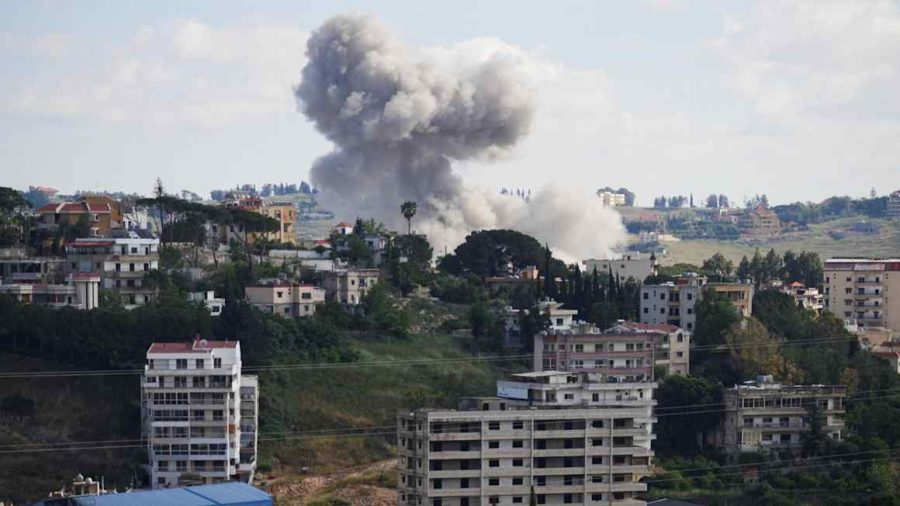
Amid rising geopolitical tensions, Israeli ministers are pushing for a return to a more aggressive military approach against Hizbollah in Lebanon. The move comes as far-right officials in Israel express concerns that a potential peace deal between the United States and Iran could limit Israel’s strategic freedom to operate in the region.
Calls for Escalation in Lebanon
Several Israeli cabinet members, particularly from the far-right factions of the government, have publicly advocated for a “high-intensity” military campaign targeting Hizbollah. They argue that the group, backed by Iran, poses an immediate and growing threat to Israel’s security. Hizbollah, a Shiite militant organization and political party, has long been a key Iranian proxy in the region, with significant influence in Lebanon.
“We cannot afford to show weakness when it comes to Hizbollah,” one senior minister stated during a recent cabinet meeting. “The time for half-measures has passed. We need decisive action to neutralize this threat.”
Concerns Over US-Iran Diplomacy
The calls for heightened military action are rooted in growing anxiety over the potential implications of an evolving US-Iran relationship. Reports suggest that Washington and Tehran are edging closer to a framework agreement aimed at reducing tensions over Iran’s nuclear program and its regional activities. While such a deal could bring some stability to the Middle East, Israeli officials worry it might also embolden Iran and its allies, including Hizbollah.
“If the United States strikes a deal with Iran, it could impose new constraints on Israel’s ability to act decisively in Lebanon,” warned another member of the cabinet. “This is a critical moment for us to assert our national security priorities.”
Hizbollah’s Growing Arsenal
Israeli intelligence reports indicate that Hizbollah has significantly expanded its arsenal in recent years, including precision-guided missiles capable of striking deep into Israeli territory. The group is also believed to have fortified its positions in southern Lebanon, creating a network of tunnels and bunkers designed to withstand airstrikes.
“Hizbollah’s military buildup is a ticking time bomb,” said a defense official familiar with the matter. “They are preparing for a conflict, and we must act before they feel confident enough to strike first.”
Potential Risks and International Repercussions
Despite the calls for action, some analysts warn that escalating military operations in Lebanon could trigger broader regional instability. Hizbollah has the capacity to retaliate with cross-border attacks, potentially drawing Israel into a prolonged conflict. Additionally, such a move could strain Israel’s relationships with key international allies, particularly if civilian casualties in Lebanon are high.
International observers have urged restraint, emphasizing the need for diplomatic solutions to address the underlying tensions. However, with Israeli elections looming and the far-right factions seeking to solidify their positions, the push for military escalation appears to be gaining momentum.
A Region on Edge
The situation in Lebanon remains tense as both Israel and Hizbollah prepare for potential confrontations. The international community will be watching closely, particularly as developments between the United States and Iran unfold. For now, the question remains: will Israel heed the calls for a more aggressive approach, or will cooler heads prevail in the face of mounting challenges?