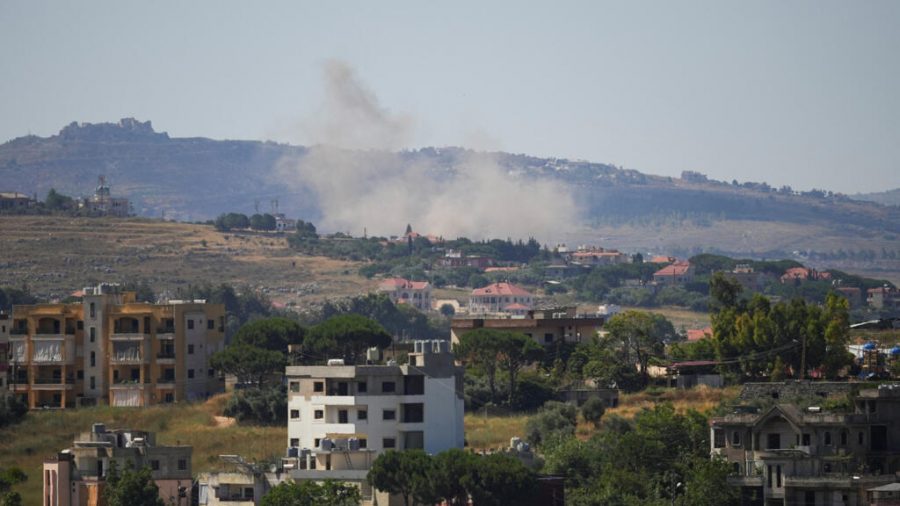
Israel’s Defence Minister Confirms Indefinite Occupation of Seized Territories
In a significant statement that could reshape the geopolitical landscape of the Middle East, Israeli Defence Minister Israel Katz announced on Monday that Israeli ground forces will remain indefinitely in territories seized from Lebanon, Syria, and Gaza. This declaration raises serious questions about the ongoing conflict and the recent diplomatic efforts aimed at fostering peace in the region.
The Context of the Announcement
Katz’s remarks come on the heels of a memorandum of understanding announced just a day earlier between the United States and Iran, which sought to lay the groundwork for a cessation of hostilities in the region. The Israeli Defence Minister’s insistence on maintaining military presence in these contested areas poses a potential challenge to the fragile peace efforts brokered by international powers.
The Implications of Indefinite Occupation
The territories in question—spanning parts of Lebanon, Syria, and Gaza—have been flashpoints of conflict for decades. Katz’s announcement indicates a shift in Israel’s strategy, suggesting that the government is prepared to entrench its military presence rather than work towards withdrawal or compromise.
- Increased Tensions: The statement could exacerbate tensions not only between Israel and its neighbors but also with global powers invested in peace. Iran, a close ally of both Syria and militant groups in Lebanon and Gaza, may respond aggressively to what it perceives as an Israeli defiance of diplomatic efforts.
- Impact on Civilians: The continuation of Israeli military operations in these regions raises concerns over the humanitarian situation, particularly in Gaza, where civilians have already suffered immensely from prolonged conflict.
- Strategic Military Position: Katz argued that maintaining a military presence is essential for Israel’s national security, emphasizing the need to counter perceived threats from Hezbollah in Lebanon and militant factions in Gaza.
Reactions from the International Community
The international response to Katz’s statement has been mixed. While some nations reaffirm Israel’s right to defend itself, others are calling for a reevaluation of its military strategy in light of recent diplomatic overtures. Critics argue that an indefinite occupation will only serve to perpetuate the cycle of violence and hinder any meaningful dialogue for peace.
The Road Ahead
As tensions rise in the region, the future of peace in the Middle East hangs in the balance. The U.S.-Iran memorandum was seen as a potential turning point, aiming to ease hostilities and encourage dialogue among various factions. However, Israel’s commitment to maintaining its military presence raises critical questions about the feasibility of these diplomatic efforts.
Moving forward, the international community will need to navigate these complexities, balancing support for Israel’s security with the urgent need for a peaceful resolution to decades of conflict. As the situation develops, all eyes will be on Israel’s actions and the responses from its neighbors, as well as the role of global powers in mediating this fragile situation.