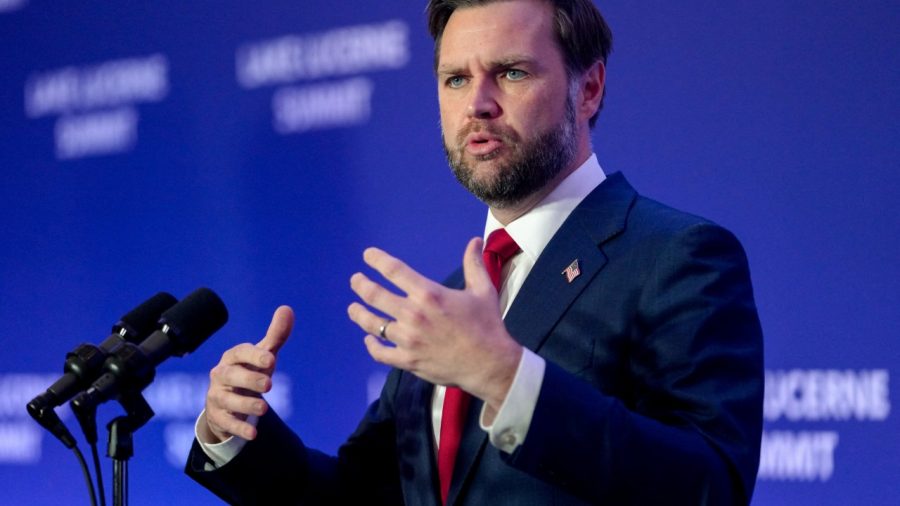
JD Vance’s Faith-Driven Political Strategy: A Closer Look
As the political landscape continues to evolve, few figures have captured the public’s attention quite like JD Vance. His blend of personal conviction and political ambition raises questions about the authenticity of his faith-based motivations.
The Intersection of Faith and Politics
Vance, a former venture capitalist and author of the bestseller “Hillbilly Elegy,” has emerged as a prominent voice in American politics. His ascent to the U.S. Senate is marked not only by his business acumen but also by his deeply rooted religious beliefs. However, critics argue that his faith may be wielded as a tool for political gain rather than a genuine guiding principle.
Religious Beliefs: A Double-Edged Sword
Similar to Vice President Kamala Harris, Vance’s religious beliefs appear to align conveniently with his political ambitions. In a polarized political climate, many candidates strategically adopt faith-based narratives to resonate with certain voter demographics. Vance’s Christian identity has become a cornerstone of his campaign, yet it begs the question: is it a true reflection of his values?
- Vance’s public persona often incorporates themes of redemption, morality, and community.
- His rhetoric suggests a commitment to conservative Christian values, appealing to a significant base.
- However, some critics highlight inconsistencies between his faith and his policy positions.
Political Flexibility: A Strategy for Success?
One of the most striking aspects of Vance’s political journey is his ability to adapt his beliefs to fit the prevailing winds of political discourse. This flexibility raises concerns about the authenticity of his convictions. For instance, his stance on immigration has shifted over time, reflecting a wider trend among politicians who modify their views to align with their constituents.
Many voters are drawn to candidates who appear relatable and genuine. Vance’s narrative of overcoming adversity resonates with many, yet the question remains: can a candidate’s faith truly guide their political decisions if it appears to be malleable? This tension between faith and political ambition is not unique to Vance but is emblematic of a broader trend in American politics.
The Role of Faith in Political Identity
Faith has long played a crucial role in American political identity, often serving as a unifying force among diverse populations. Leaders who successfully integrate their religious beliefs into their political platform can mobilize supporters and create a strong sense of community.
For Vance, his Christian faith has been a rallying point. He often invokes biblical principles in his speeches, appealing to voters who prioritize faith in their political choices. However, this reliance on religious narratives can also alienate those who are skeptical of candidates whose beliefs seem opportunistically timed.
Conclusion: The Future of Faith in Politics
As JD Vance continues to navigate the complex interplay of faith and politics, his journey serves as a case study for the future of political ambition in America. The question of authenticity looms large: can a politician truly embody their faith while remaining adaptable to the demands of the political arena? Vance’s story may well serve as a harbinger for how faith will shape political identity in the coming years.
In a world where political narratives are constantly shifting, the challenge remains to discern which leaders are driven by genuine conviction and which are leveraging faith as a strategic advantage. As voters become increasingly discerning, the true test for figures like JD Vance will be their ability to maintain integrity while pursuing their ambitions.