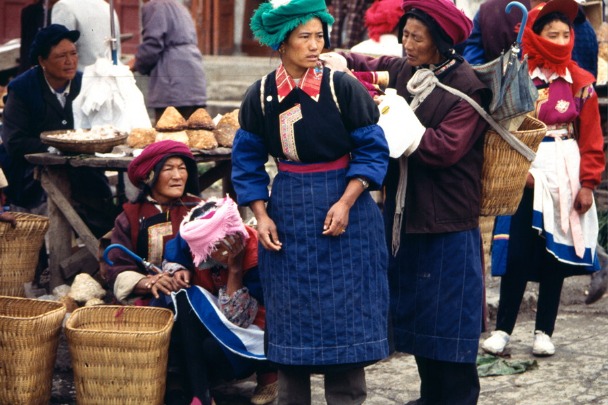
High in the rugged northwestern reaches of Yunnan province lies a destination steeped in mystery and allure, officially renamed Shangri-La in 2001 to evoke the mythical paradise described in James Hilton’s 1933 novel, Lost Horizon. But for intrepid traveler Bruce Connolly, this captivating corner of China’s Tibetan Plateau was known by a different name when he first visited in 1995: Zhongdian. Back then, its undiscovered charm and cultural richness offered him a glimpse into what he describes as his ‘Tibetan dream.’
A Step Back in Time
When Connolly arrived in Zhongdian nearly three decades ago, he encountered a town that felt untouched by the rapid modernization sweeping through much of China. Narrow cobbled streets wound their way through traditional Tibetan-style homes adorned with colorful prayer flags fluttering in the brisk mountain breeze. The air was thin but fresh, carrying the faint scent of juniper and yak butter candles from the monasteries that dotted the surrounding hillsides.
“It was like stepping into another world,” Connolly recalls. “Life moved at a different pace, and the spiritual connection of the Tibetan people to their land was palpable everywhere.”
A Cultural Crossroads
Zhongdian, now Shangri-La, sits at a crossroads of history, culture, and nature. Nestled at an altitude of over 3,000 meters, it marks the transition from the lush landscapes of Yunnan to the stark, breathtaking terrain of the Tibetan Plateau. The region is home to a rich blend of Tibetan, Naxi, and Han cultures, reflected in the local architecture, cuisine, and festivals.
One of the highlights of Connolly’s visit was the opportunity to witness a traditional Tibetan Buddhist ceremony at the iconic Songzanlin Monastery, often referred to as the ‘Little Potala Palace.’ Built in the 17th century, the monastery remains a spiritual beacon for the local community. Vividly recalling the rhythmic chants of monks and the hypnotic hum of prayer wheels, Connolly notes, “It was a moment of pure serenity, a window into a way of life so deeply rooted in faith and tradition.”
The Allure of Nature
Beyond its cultural treasures, Shangri-La boasts some of the most breathtaking natural landscapes in China. Snow-capped peaks, pristine alpine meadows, and shimmering glacial lakes define the region’s topography. For Connolly, the journey to Napa Lake—a seasonal highland wetland teeming with migratory birds—was particularly memorable. “The sheer beauty of the landscape was humbling,” he says. “It’s a place that makes you feel small in the best possible way.”
Today, Shangri-La has grown into a popular tourist destination, attracting visitors from around the globe who come seeking their own slice of paradise. While modern infrastructure has brought convenience, it has also raised concerns about the preservation of the region’s delicate ecosystem and traditional way of life. Yet, for those willing to venture beyond the well-trodden paths, the timeless magic of Shangri-La remains as enchanting as ever.
Tips for Modern Travelers
- Embrace the Altitude: At over 3,000 meters above sea level, acclimatization is key. Take it slow and stay hydrated.
- Explore Songzanlin Monastery: Don’t miss this architectural marvel and spiritual center, a must-visit for any traveler.
- Respect Local Customs: Engage with the local Tibetan culture respectfully and observe traditions such as removing shoes before entering temples.
- Venture Off the Beaten Path: Discover lesser-known hiking trails and villages for a more authentic experience.
For Bruce Connolly, his journey to Zhongdian was nothing short of transformative—a personal Shangri-La that continues to inspire his love for exploration. And while the name may have changed, the spirit of this extraordinary place endures, offering travelers a chance to find their own paradise high in the clouds.