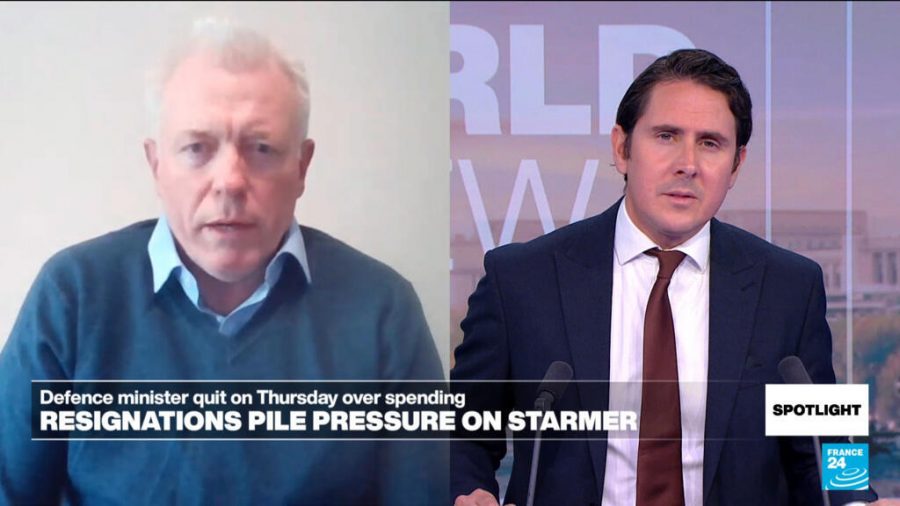
Political Crisis Unfolds as Former Tory MP Weighs In
In a dramatic turn of events, Prime Minister Rishi Sunak finds himself grappling with an unprecedented political crisis. Following the abrupt resignations of his Defence Secretary and Defence Minister, the government is under intense scrutiny for its perceived inadequacies in military spending and national security, particularly in light of the ongoing threat from Russia.
The Resignation Fallout
The resignations of key figures in Sunak’s cabinet have sent shockwaves through Westminster, highlighting a growing discord within the Conservative Party. As the threat of Russian aggression looms large, critics argue that the Prime Minister’s government has failed to allocate sufficient resources to defend the nation.
Former Tory MP and military officer, who has chosen to remain anonymous, described the situation as a ‘rope-a-dope’ strategy employed by Keir Starmer, the leader of the Labour Party. “Starmer is allowing the Tories to punch themselves out,” he remarked, suggesting that the opposition leader is waiting for Sunak’s government to exhaust itself amid ongoing controversies surrounding defense policies.
Military Spending Under Scrutiny
At the heart of the resignations is a growing dissatisfaction with military funding. Critics within the Tory ranks argue that the current budget does not adequately address the challenges posed by Russia and other international threats. The former military officer emphasized the need for a robust defense strategy, stating, “In these uncertain times, we cannot afford to be complacent about our national security.”
Internal party discussions have escalated, with several MPs expressing frustration over the government’s failure to commit to increased military expenditure. The resignations have opened the floodgates for dissent within the party, with some members calling for a complete overhaul of defense strategies.
Starmer’s Tactical Advantage
As Tory leaders navigate this political minefield, Keir Starmer is seizing the opportunity to strengthen his position. By maintaining a measured response to the chaos engulfing the Conservative Party, Starmer is positioning himself as a steady alternative to a faltering government. His approach has resonated with voters who are increasingly concerned about national security and the effectiveness of the current administration.
Political analysts suggest that Starmer’s strategy is reminiscent of a boxing match, where patience and precision are key. By allowing the Tories to flounder, he is building a narrative that could resonate with the electorate ahead of the next general election. In a time of crisis, the public often seeks stability, and Starmer is keen to present himself as a viable option.
The Road Ahead for Sunak
As the political landscape shifts, Rishi Sunak faces mounting pressure to respond decisively to the crisis. The Prime Minister must navigate a delicate balance between appeasing dissenting voices within his party and reassuring the public of his government’s commitment to national security. Failure to address these concerns could jeopardize his leadership and the future of the Conservative Party.
In the coming weeks, all eyes will be on Sunak as he attempts to stabilize his government amid the fallout from these resignations. With the opposition poised to capitalize on Tory missteps, the stakes have never been higher. The political survival of the Prime Minister may hinge on his ability to restore confidence in his government and present a clear vision for the future of Britain’s defense.
Conclusion: A Defining Moment for British Politics
This crisis represents a pivotal moment in British politics, as the Conservative Party grapples with internal dissent while the Labour Party seeks to capitalize on its rival’s misfortunes. As the political drama unfolds, the ramifications of these events will shape the future of both parties, and potentially the direction of the country itself.