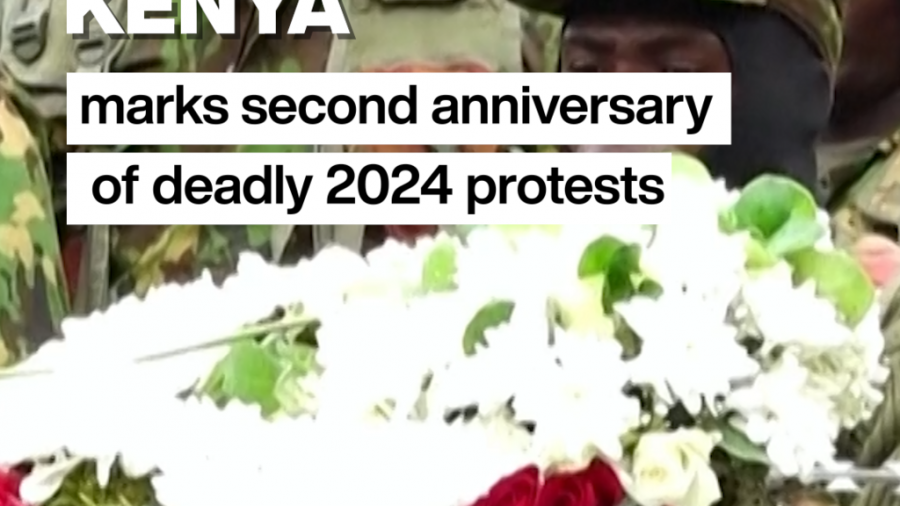
Kenya Marks Second Anniversary of Protests Against Economic Hardship
On June 25, 2024, a wave of protests erupted across Kenya, culminating in a dramatic storming of parliament by demonstrators fueled by frustration over economic difficulties and rampant corruption. As the nation grapples with these ongoing issues, the second anniversary of these events serves as a poignant reminder of the sacrifices made by those who lost their lives in the struggle for justice.
Background: A Nation on Edge
In the months leading up to the protests, Kenya faced significant economic challenges, including rising unemployment rates and escalating costs of living. The youth, who constitute a large portion of the population, found themselves at the forefront of these protests, voicing their discontent not only with the financial hardships but also with the perceived corruption within the government. President William Ruto’s administration faced increasing criticism for failing to address these pressing issues.
June 25: A Day of Remembrance
The anniversary of these protests has transformed into an annual march, where thousands gather to honor those who lost their lives during the demonstrations. This year, the participants wore black armbands as a symbol of mourning and solidarity, while chanting slogans calling for justice and accountability from the government. The atmosphere was charged with emotion, as families of the victims shared their stories, highlighting the personal toll of the protests.
Voices from the Streets
- Jane Wambui, a university student and activist, stated, “We are here to remember our brothers and sisters who fought for a better future. Their sacrifices will not be forgotten, and we will continue to push for change.”
- Joseph Muriuki, a local leader, emphasized, “This march is not just about remembrance; it’s a call to action for our government to listen to its people. We demand transparency and accountability.”
The Role of Social Media
Social media has played a crucial role in mobilizing support for the annual march. Hashtags such as #JusticeForTheFallen and #YouthForChange have trended on various platforms, bringing attention to the ongoing struggles faced by Kenyans. Activists have utilized these platforms not only to share information but also to organize events and connect with like-minded individuals across the country. This digital activism has proven to be a powerful tool in amplifying the voices of the youth.
Government Response
In response to the growing discontent, President Ruto’s administration has promised reforms aimed at addressing some of the economic challenges. However, many citizens remain skeptical, arguing that these promises have yet to materialize into tangible change. The government’s heavy-handed response to previous protests, including arrests and use of tear gas, has further fueled tensions between the state and its citizens.
Looking Ahead: A Call for Unity
As Kenyans reflect on the events of June 25, 2024, the call for unity and collective action resonates louder than ever. The recent protests have shown that the youth are not only aware of their rights but are also willing to stand up for them. The annual march serves as both a remembrance of those who sacrificed their lives and a powerful reminder that the fight for justice and economic equality continues.
Conclusion
Two years after the tragic events that shook the nation, Kenya stands at a crossroads. The frustrations of the youth, coupled with the ongoing economic hardships, present both challenges and opportunities for change. As the annual march concludes, the message is clear: the people of Kenya are determined to hold their leaders accountable and to ensure that the sacrifices of the past are honored through real and lasting reform.