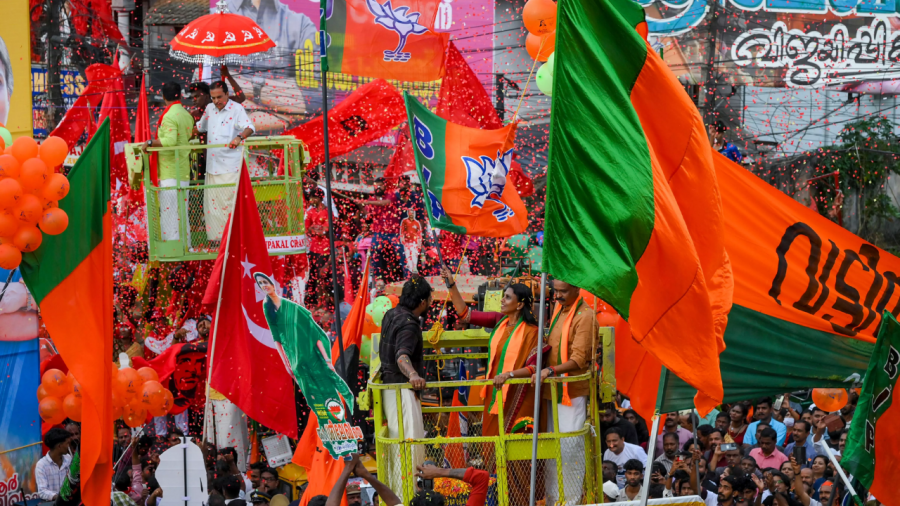
Kerala’s Political Landscape Shifts Ahead of 2026 Assembly Elections
As Kerala gears up for the 2026 Assembly elections, the political arena is becoming increasingly competitive. With the Left Democratic Front (LDF), United Democratic Front (UDF), and the National Democratic Alliance (NDA) all vying for power, 20 key constituencies are poised to play a pivotal role in shaping the state’s future.
The Stakes in 2026
The upcoming elections are not merely a contest between traditional political rivals. They reflect changing social dynamics, urbanization, and the pressing issues faced by the coastal regions of Kerala. Each of the 20 constituencies identified will not only influence the number of seats won but also set the tone for governance in the state.
Identifying the Key Constituencies
- Thiruvananthapuram: As the capital city, its urban electorate is crucial for any party aiming for a majority.
- Kochi: The commercial hub of Kerala, where economic issues will be front and center.
- Malappuram: A constituency with a significant Muslim population that can influence UDF’s strategy.
- Pathanamthitta: Known for its diverse electorate, it often swings between the LDF and UDF.
- Kasargod: A constituency that presents a unique mix of local and national issues.
- Wayanad: With high-profile candidates like Rahul Gandhi in the past, this seat is a must-watch.
- Kottayam: A constituency that embodies the cultural and educational ethos of Kerala.
- Idukki: Environmental issues and development projects will dominate discussions here.
- Palakkad: Known for its agrarian economy, it will be a battleground for development narratives.
- Ernakulam: The seat will reflect urban aspirations and class divides.
- Trichur: A historical constituency that has seen fluctuating loyalties.
- Alappuzha: Coastal issues, particularly those affecting fishing communities, will take center stage.
- Kannur: A stronghold of the CPI(M), it will be critical for the LDF to maintain its dominance.
- Thiruvalla: A constituency with a significant Christian population that may sway the outcome.
- Vatakara: Known for its political activism, it is vital for all parties to engage with local issues.
- Malappuram: Another key seat for the UDF, particularly with its strong Muslim voter base.
- Attingal: A constituency that has historically leaned towards the LDF.
- Vadakara: With issues of rural distress, this seat will be closely watched.
- Manjeshwaram: A constituency where communal harmony will be a significant factor.
- Vypin: An emerging urban area that reflects Kerala’s changing demographics.
- Chalakudy: A seat that could decide the fate of the UDF in its traditional stronghold.
The Political Strategies of LDF, UDF, and NDA
Each party is expected to deploy unique strategies to secure their foothold in these constituencies. The LDF will likely focus on its development agenda while emphasizing social justice and welfare schemes. The UDF will counter with its experience and promises of better governance, while the NDA aims to capitalize on national issues to gain traction in the southern state.
Conclusion: A Critical Election for Kerala
The 2026 Assembly elections in Kerala will be a litmus test for all three alliances. The outcome in these 20 constituencies will not only determine the winning coalition but will also provide insights into the evolving political landscape of the state. As voters prepare to make their voices heard, the stakes have never been higher.