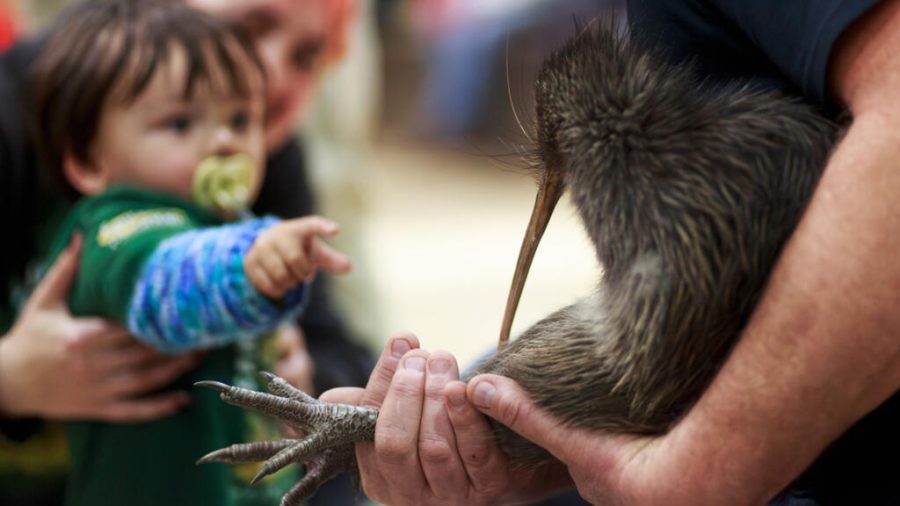
Kiwi Birds Make a Historic Comeback in Wellington After 100 Years
In a remarkable conservation effort, New Zealand’s iconic kiwi bird is returning to the hills surrounding the capital, Wellington, after a century-long absence. This initiative, spearheaded by dedicated citizens and environmentalists, aims to restore the kiwi population that was devastated by European settlers and the invasive species they brought with them.
The Decline of the Kiwi Population
Once flourishing in the lush forests and rolling hills of New Zealand, the kiwi bird faced significant threats following the arrival of Europeans in the 19th century. The introduction of predators, such as rats, cats, and stoats, coupled with habitat destruction, led to a dramatic decline in their numbers. By the early 20th century, kiwis were virtually extinct in many areas, including the Wellington region.
A Citizen-Driven Initiative
In recent years, a grassroots movement has emerged, fueled by a passion for conservation and a deep-rooted love for New Zealand’s unique wildlife. Citizens, local organizations, and environmental groups have banded together to create a comprehensive plan to reintroduce kiwis to their natural habitat. This initiative not only aims to repopulate the hills of Wellington but also seeks to educate the public about the importance of preserving New Zealand’s native species.
Restoration Efforts Underway
The project has begun in earnest, with extensive research and preparation taking place over the past few years. The Wellington Kiwi Recovery Program has been established, which includes the following key components:
- Habitat Restoration: Efforts are underway to restore and maintain the natural habitat essential for kiwi survival. This involves replanting native vegetation, controlling invasive species, and ensuring a safe environment for the birds to thrive.
- Breeding Programs: Kiwi eggs are being collected from areas where the birds are more abundant and hatched in controlled environments. The chicks are then raised and eventually released into the wild, helping to increase the genetic diversity of the population.
- Community Involvement: The success of the project heavily relies on community engagement. Volunteers from the local area are actively participating in habitat restoration, monitoring kiwi populations, and educating others about the importance of protecting these flightless birds.
Significance of the Kiwi’s Return
The return of the kiwi to Wellington’s hills is not just a win for conservationists; it also symbolizes a broader movement towards ecological restoration in New Zealand. The kiwi is more than just a national icon; it represents the unique biodiversity of the country and the rich cultural heritage of the Māori people, who regard the bird as a taonga (treasure).
Challenges Ahead
While the reintroduction of kiwis is a significant milestone, challenges remain. Ongoing threats from introduced predators and habitat loss continue to pose risks to the success of the program. Additionally, climate change is an ever-present concern that could impact the delicate ecosystems that support kiwi populations.
A Brighter Future for Kiwis
Despite these challenges, the commitment of the Wellington community to restore the kiwi population is unwavering. The enthusiasm surrounding this initiative serves as a beacon of hope for future conservation efforts across New Zealand. As kiwis once again roam the hills of Wellington, they not only reclaim their rightful place in the ecosystem but also inspire a new generation to cherish and protect their natural heritage.
Conclusion
The return of the kiwi bird to Wellington is a testament to the power of community action and the importance of preserving biodiversity. With continued support and dedication, New Zealand’s flightless national symbol may once again thrive in its native habitat, echoing the resilience of nature and humanity’s capacity for stewardship.