KZN Public Works Slashes Wasteful Expenditure to Zero
The KwaZulu-Natal Department of Public Works and Infrastructure (DPWI) has made a remarkable financial turnaround, cutting its historically high unauthorised, fruitless and wasteful expenditure to zero for the 2025/6 financial year. This achievement is a significant milestone for the department, which has previously struggled with rampant overspending, amounting to hundreds of millions of rand.
A New Era of Efficiency
The department’s success can be attributed to its efficient use of technology, which has enabled it to tightly manage its finances and eliminate wasteful expenditure. According to KZN Public Works and Infrastructure MEC Martin Meyer, the department has reduced its unauthorised expenditure from R731m to almost zero, a feat achieved over the past two years.
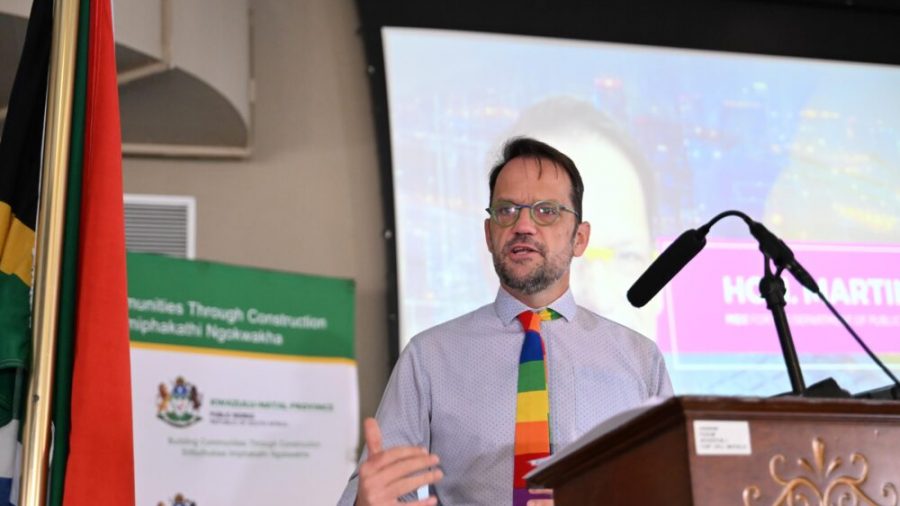
Speaking at the KZN DPWI Technology & Innovation Summit, Meyer highlighted the department’s commitment to using technology to drive efficiency and productivity. The summit, which drew around 400 delegates, including chief financial officers and senior officials from government departments and the private sector, provided a platform for the department to showcase its innovative approach to financial management.
Investing in a Paperless Future
The department has allocated R20m in its current budget to drive its digitalisation efforts, with the goal of becoming paperless within the next three years. This investment will enable the department to eradicate procurement corruption, slash administrative costs, and boost productivity, while also providing real-time oversight of infrastructure projects and lease deals.
The benefits of this technological shift are numerous, and include the prevention of physical documents from being tampered with. Electronic submissions will ensure that all documents are complete and accurate, eliminating the risk of missing pages or altered information. This will not only reduce the risk of corruption but also increase the efficiency of the department’s operations.
Key Objectives and Benefits
- Eradicating procurement corruption: The department’s digitalisation efforts will prevent corruption by ensuring that all documents are complete and accurate.
- Slashing administrative costs: The reduction in paper-based bureaucracy will result in significant cost savings for the department.
- Boosting productivity: The use of technology will enable the department to process documents and manage projects more efficiently, resulting in increased productivity.
- Real-time oversight of infrastructure projects and lease deals: The department will have access to real-time information, enabling it to make informed decisions and respond quickly to any issues that may arise.
The department’s partnership with the Council for Scientific and Industrial Research to launch a real-time infrastructure dashboard is a significant step towards achieving its objectives. This tool will enable executives to monitor construction project statuses continuously, pinpoint bottlenecks early, and base management decisions on live evidence rather than outdated reports.
Conclusion
The KZN Department of Public Works and Infrastructure’s commitment to digitalisation and efficiency is a positive step towards a more transparent and accountable government. The department’s achievements are a testament to the power of innovation and technology in driving positive change, and its efforts will undoubtedly have a lasting impact on the province’s infrastructure and economy.