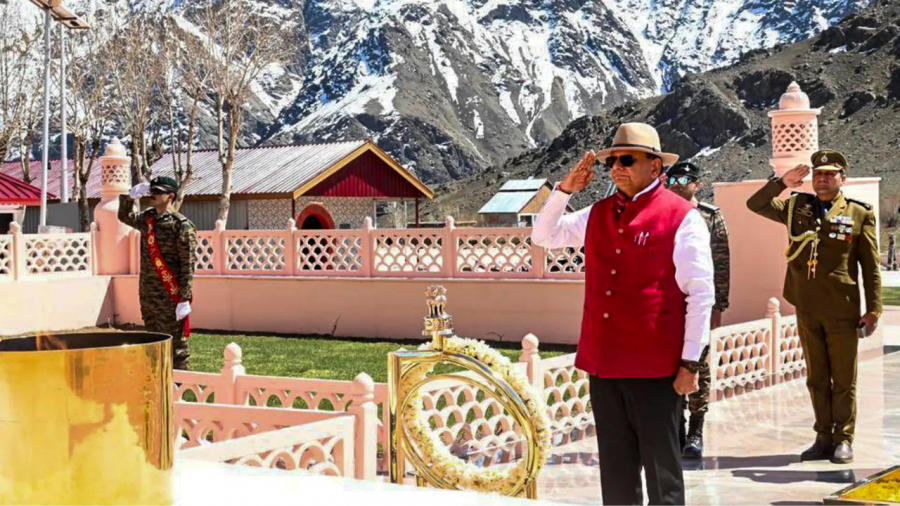
Ladakh has embarked on an ambitious journey to create its first-ever ‘Master Plan’, a strategic framework aimed at sustainable development and effective resource management in the Union Territory (UT). This historic move signals a significant step towards harnessing the region’s unique cultural and ecological assets while addressing its rapid growth challenges.
The Need for a Master Plan
As Ladakh emerges from its recent transition into a Union Territory, the region faces numerous challenges, including population growth, urbanization, and environmental sustainability. The absence of a comprehensive development framework has made it increasingly difficult to manage these issues effectively. Officials recognize that a ‘Master Plan’ is essential to ensure structured growth that respects Ladakh’s rich heritage and fragile ecosystem.
Stakeholder Involvement
The development of the Master Plan will involve extensive consultations with various stakeholders, including local communities, government bodies, and environmental experts. This participatory approach aims to gather diverse perspectives and build a consensus around the region’s developmental goals.
- Local Communities: Engaging residents to understand their needs and aspirations will be crucial in shaping the plan.
- Government Agencies: Coordination among various departments will ensure comprehensive coverage of all relevant sectors.
- Environmental Experts: Their insights will be vital for integrating sustainability into the development agenda.
Key Focus Areas of the Master Plan
The proposed Master Plan will address several critical areas, including:
- Urban Development: Planning for cities and towns that can accommodate growth while preserving the unique landscape of Ladakh.
- Infrastructure: Developing roads, transport systems, and utilities that meet the needs of residents without compromising the environment.
- Tourism Management: Creating strategies for sustainable tourism that highlight Ladakh’s natural beauty and cultural heritage.
- Environmental Protection: Implementing measures to safeguard the region’s fragile ecosystems from the impacts of development.
Challenges Ahead
Despite the promising initiative, several challenges loom on the horizon. The rugged terrain and harsh climate of Ladakh present logistical hurdles for infrastructure development. Additionally, balancing modernization with the preservation of traditional lifestyles will require careful planning and execution.
Government Commitment
The government has expressed a strong commitment to this initiative, recognizing its potential to transform Ladakh into a model of sustainable development. Officials have indicated that the Master Plan will be flexible, allowing for adjustments based on evolving needs and new challenges that may arise.
Conclusion
The creation of Ladakh’s first Master Plan represents a pivotal moment for the Union Territory. As the region looks towards a future of growth and opportunity, this comprehensive framework will serve as a guide to ensure that development occurs in harmony with Ladakh’s unique cultural and environmental landscape. With the right strategies in place, Ladakh can set a precedent for sustainable development in other regions facing similar challenges.