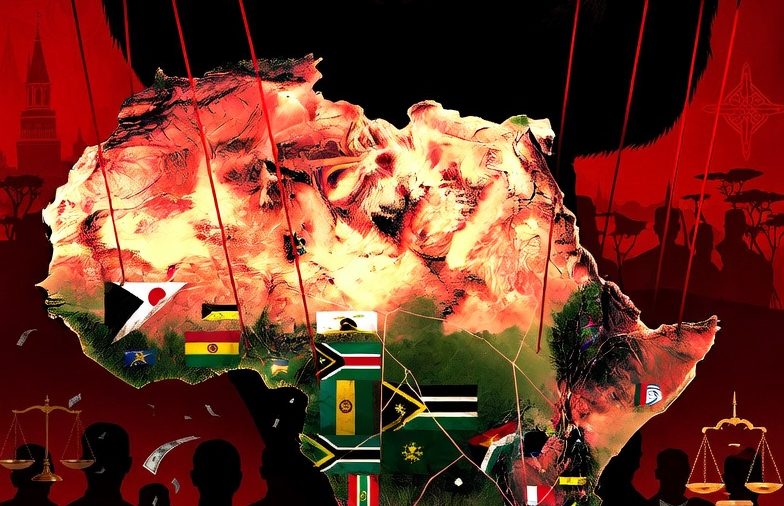
A trove of leaked documents has uncovered the existence of a vast and covert foreign influence network operating across 34 African nations. This revelation has sent shockwaves across the continent, exposing the use of disinformation campaigns, elite manipulation, and strategically engineered narratives to subtly reshape Africa’s political landscape and public discourse.
The Hidden Hand Behind Africa’s Political Shifts
The leaked files detail how foreign actors have infiltrated African political systems, exploiting vulnerabilities to manipulate public opinion and consolidate influence. From targeted misinformation campaigns to the strategic co-opting of influential leaders, the tactics employed have been both insidious and far-reaching. In many cases, these efforts have succeeded in creating a false sense of solidarity between foreign powers and African governments, masking underlying motives of control and exploitation.
Disinformation as a Weapon
Central to this influence network is the use of disinformation. False narratives, often disseminated through social media platforms and state-controlled outlets, have been strategically deployed to sow division, obscure facts, and influence policy decisions. These engineered narratives are designed to appeal to nationalistic sentiments while undermining democratic institutions.
Elite Capture: A Silent Coup
A key weapon in this information war is the concept of elite capture. By co-opting influential figures in politics, business, and media, foreign actors have managed to steer the decision-making processes of entire nations. These alliances, often forged through financial incentives or ideological alignment, have allowed external powers to subtly dictate the direction of African policies and priorities.
A Manufactured Solidarity
Perhaps the most alarming revelation from the leaked files is the deliberate manufacturing of solidarity between African nations and foreign powers. This faux unity is achieved through carefully curated narratives that highlight shared struggles while downplaying the exploitative nature of these relationships. For many African leaders and citizens, these narratives have proven seductive, offering a sense of alignment with global movements that, in reality, may serve foreign interests more than African ones.
A Necessary Reckoning
The exposure of this influence network has ignited calls for a continent-wide reckoning. African nations must now grapple with their own vulnerabilities, including weak regulatory frameworks, lack of media literacy, and susceptibility to external manipulation. The revelations underscore the urgent need for stronger mechanisms to safeguard democratic processes, promote transparency, and protect the integrity of public discourse.
What Comes Next?
As Africa confronts these uncomfortable truths, the path forward will require a multi-faceted approach. Governments must prioritize countering disinformation through education, technological innovation, and collaboration with civil society. Similarly, strengthening institutions to resist elite capture and fostering independent media will be essential in building resilience against foreign interference.
Ultimately, the leaked files serve as a wake-up call. Africa’s political future must be shaped by its own people, free from the shadow of external manipulation. By addressing these challenges head-on, the continent has an opportunity to assert its sovereignty and build a political landscape that truly reflects the will of its citizens.