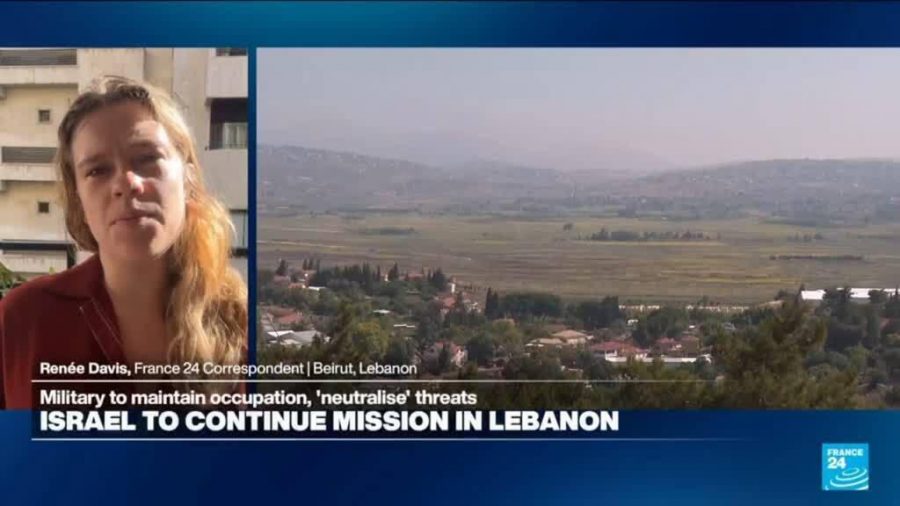
The Cost of Conflict: Lebanon’s Destruction Amidst the Israel-Hezbollah War
The recent Israel-Hezbollah war has left a devastating mark on southern Lebanon, with reconstruction costs estimated at approximately $1.38 billion. This staggering figure, reported by a UN agency in conjunction with a Lebanese research center, raises critical questions about the future of Lebanon’s rebuilding efforts and who will ultimately bear the financial burden.
Extent of the Damage
The destruction caused by the conflict has been profound, affecting infrastructure, homes, and essential services. In many areas, the once-thriving communities are now reduced to rubble, and families are left grappling with the loss of their homes and livelihoods. The UN report highlights not only the financial implications but also the social and emotional toll on the Lebanese people.
The Absence of Support
While the international community has been alerted to the dire situation in Lebanon, significant financial assistance has yet to materialize. The recent US-Iran deal, which proposed a substantial $300 billion reconstruction fund, does not include provisions for Lebanon’s recovery. This omission reflects a troubling trend where Lebanon’s needs are overshadowed in broader geopolitical negotiations.
Who Will Foot the Bill?
The question of who will finance Lebanon’s reconstruction remains unanswered. Several potential sources of funding have been discussed, including:
- International Aid: Humanitarian organizations and foreign governments may provide some immediate relief, but the scale of the destruction demands a more robust and long-term commitment.
- Private Sector Investment: Involving the private sector could accelerate rebuilding efforts, but it requires a stable political environment, which Lebanon has struggled to maintain.
- Government Initiatives: The Lebanese government may need to prioritize reconstruction in its budget, but with existing economic challenges, this could be a formidable task.
The Role of International Community
The international community’s response will be crucial in shaping Lebanon’s path forward. Countries that have interests in the region may see the value in investing in Lebanon’s recovery as a means to stabilize the area and prevent further conflict. However, diplomatic relations and the complexities of regional politics could complicate this support.
Looking Ahead
As Lebanon begins to assess the full impact of the war, the focus must shift toward recovery and rebuilding. Engaging local communities in the reconstruction process is essential, not only to restore physical infrastructure but also to rebuild trust and resilience among the population.
In conclusion, the estimated $1.38 billion in damages requires urgent attention and action. Lebanon stands at a crossroads, where the choices made now will determine its future. Without a clear plan and adequate funding, the scars left by this latest conflict could linger for years to come.