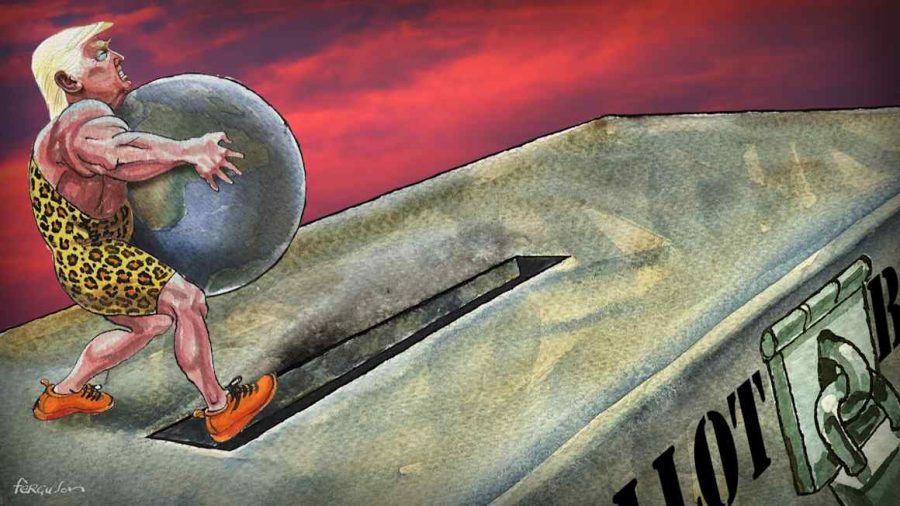
Understanding the Rise and Fall of Strongman Leaders
In recent years, the world has witnessed the rise of strongman leaders who have sought to consolidate power and undermine democratic institutions. Figures such as Hungary’s Viktor Orbán, Brazil’s Jair Bolsonaro, and the Philippines’ Rodrigo Duterte have emerged as dominant political forces. However, their reigns have often been punctuated by controversy and eventual decline, offering critical lessons for other nations, particularly the United States.
The Illusion of Control
Strongman leaders thrive on the perception of control. They cultivate an image of decisiveness and power, often using populist rhetoric to garner support. Orbán, for instance, has positioned himself as the protector of Hungarian nationalism, rallying the public against perceived threats from immigration and foreign influence. Similarly, Bolsonaro has framed his presidency around a narrative of law and order, appealing to voters disillusioned by crime and corruption.
Manipulating Institutions
One common thread among these leaders is their tendency to manipulate democratic institutions. By undermining judicial independence, attacking the media, and eroding checks and balances, they create an environment where dissent is stifled. Duterte’s administration in the Philippines has been marked by a brutal war on drugs, which critics argue is a thinly veiled effort to quash opposition.
The Backlash Against Authoritarianism
Despite their initial popularity, many strongman leaders face significant backlash as their authoritarian tactics become increasingly apparent. In Hungary, Orbán’s government has faced widespread protests from citizens who demand a return to democratic norms. In Brazil, Bolsonaro’s handling of the COVID-19 pandemic has drawn harsh criticism, leading to a significant decline in public support.
Lessons for the United States
As the United States navigates its own political landscape, the experiences of these leaders serve as cautionary tales. The rise of populism and the allure of strongman politics can be tempting for both politicians and voters. However, history shows that the consolidation of power often leads to instability and disillusionment.
- Respect for Institutions: A key lesson is the importance of respecting democratic institutions. Leaders who seek to undermine these frameworks may achieve short-term gains, but they ultimately risk their own legitimacy.
- Accountability: Strongman leaders often evade accountability, believing themselves to be above the law. In contrast, a robust system of checks and balances is essential for maintaining democracy.
- Public Engagement: Engaging with the public and fostering open dialogue is crucial. Leaders who ignore dissent or fail to address the concerns of their constituents may find their support waning.
The downfalls of strongman leaders in Hungary, Brazil, and the Philippines offer important insights for the United States as it grapples with its own political challenges. By learning from these global experiences, Americans can work to safeguard their democracy against the allure of authoritarianism.