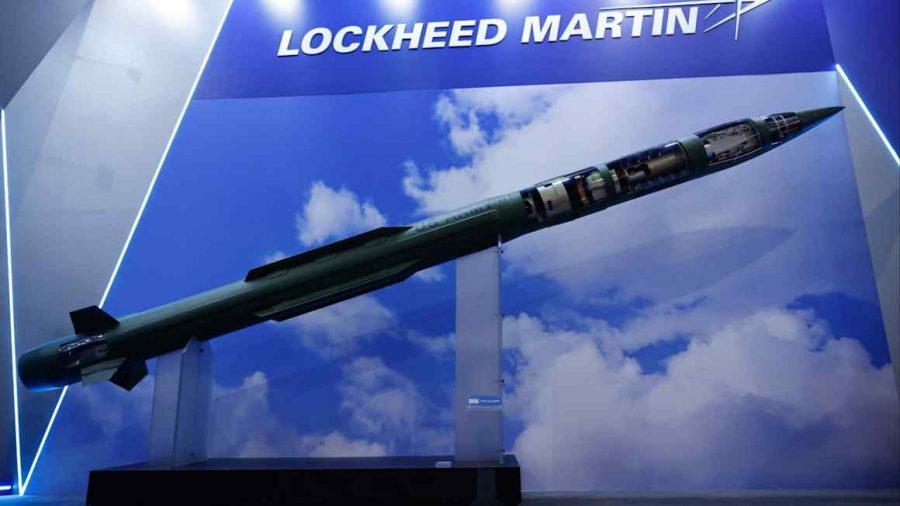
Lockheed Martin’s Challenges with Patriot Missile Allocation
Lockheed Martin, a key player in the defense industry, is facing scrutiny regarding the delivery timelines of Patriot missile systems to U.S. allies. Despite significantly ramping up production, the company has indicated that it cannot specify when these advanced missile systems will be available for international partners.
Production Efforts and Allocation Rules
In a recent statement, a top executive at Lockheed Martin revealed that the company has tripled the production of PAC-3 interceptors, a critical component of the Patriot missile defense system. However, this increase in output does not equate to control over the allocation of these interceptors, as the distribution is governed by strict rules and regulations.
Understanding the PAC-3 Interceptor
The PAC-3 interceptor is designed to protect against tactical ballistic missiles, cruise missiles, and advanced aircraft. Its advanced technology and capabilities make it a vital asset for nations looking to enhance their air defense systems. However, the process of securing these interceptors for allied nations is complex and often mired in bureaucratic hurdles.
Impact on U.S. Allies
The uncertainty surrounding the delivery of Patriot missiles comes at a time when many U.S. allies are in urgent need of enhanced defense capabilities. Countries facing escalating regional threats are keen to bolster their military arsenals, and the PAC-3 interceptors are seen as a crucial element in achieving that goal.
- Increased Demand: The demand for Patriot missile systems has surged as geopolitical tensions rise globally.
- Production Limitations: Despite tripling production, Lockheed Martin has indicated that it does not have the final say on who receives the missiles.
- Bureaucratic Challenges: The allocation process is heavily influenced by U.S. government policies and international agreements.
Government Oversight and Regulations
The allocation of military hardware, particularly advanced weaponry like the Patriot missiles, is subject to oversight from the U.S. government. This oversight ensures that such systems are provided only to allies who meet specific criteria and adhere to necessary security agreements.
Future Prospects
Looking ahead, Lockheed Martin is optimistic about its production capabilities, but the company acknowledges that the complex nature of international arms sales will continue to pose challenges. As they work to navigate these hurdles, the company remains committed to meeting the defense needs of its allies.
Conclusion
In summary, while Lockheed Martin is increasing its production of the PAC-3 interceptors, the company cannot provide definitive timelines for when these systems will be available to U.S. allies. This uncertainty highlights the complexities of international defense agreements and the need for streamlined processes to ensure that countries can effectively defend themselves in an increasingly volatile world.