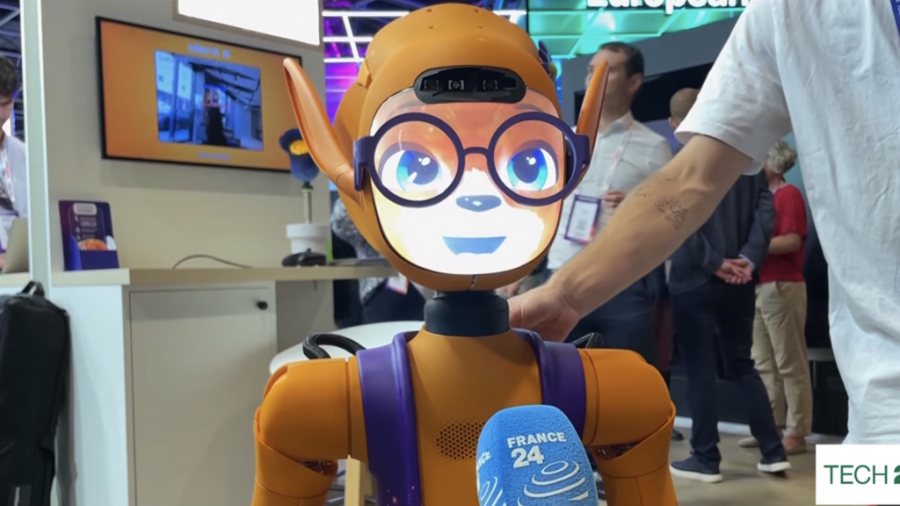
Exploring the Intersection of AI, Companionship, and Loneliness
This year marked the tenth anniversary of VivaTech, Europe’s largest tech showcase, an event that has transformed into a vibrant hub of innovation and excitement. However, as France 24 tech reporters Charlotte Lam and Peter O’Brien navigated the bustling show floors, they found themselves captivated by a topic that transcended traditional tech discourse: the quest for companionship in an increasingly automated world.
The Boom of AI Companionship
The rapid advancement of artificial intelligence has given rise to a burgeoning market focused on companionship. From chatbots that simulate human conversation to robotic pets designed to offer emotional support, AI technologies are stepping into roles that were once reserved for human interaction. As loneliness becomes a pressing concern in modern society, many are turning to these technological solutions to fill the void.
Loneliness in the Digital Age
According to recent studies, feelings of loneliness have surged, particularly among younger generations. The rise of social media and digital communication has paradoxically left many feeling more isolated than ever. In this context, AI companionship is being explored as a potential remedy. But is it truly a solution, or does it merely mask a deeper societal issue?
AI: A Cure or a Curse?
As the debate continues, experts are divided on the implications of relying on AI for companionship. Advocates argue that these technologies can provide comfort and alleviate feelings of isolation, especially for those who may struggle to form traditional relationships. For example, elderly individuals or those with social anxiety may find solace in the consistent presence of an AI companion.
- Emotional Support: AI companions can offer a non-judgmental space for individuals to express their feelings, creating a sense of connection.
- Accessibility: These technologies are often available 24/7, providing companionship to those who may not have access to human interaction.
- Customization: AI can be tailored to meet individual preferences, making the experience more personal and engaging.
However, critics caution against over-reliance on AI for emotional needs. They argue that substituting human interaction with technology could exacerbate feelings of loneliness in the long run. The risk of becoming dependent on artificial companions may hinder individuals from seeking out meaningful relationships with others.
The Human Element
During their time at VivaTech, Lam and O’Brien encountered various AI companies showcasing their latest innovations aimed at enhancing human connection. One standout exhibit featured a robotic dog designed to provide companionship to those in need. While many attendees marveled at the engineering behind it, others expressed concern about the authenticity of such relationships.
As technology continues to evolve, the challenge lies in balancing the benefits of AI companionship with the innate need for genuine human interaction. Experts suggest that while AI can serve as a supplementary form of support, it should not replace the human connections that are essential for emotional well-being.
Looking Ahead: The Future of Connection
The discourse surrounding AI companionship is just beginning. As society grapples with the implications of these technologies, it is crucial to consider their impact on our understanding of love, loneliness, and connection. Will AI ultimately help bridge the gap in human relationships, or will it create a new form of isolation?
As we move forward into a future where technology permeates every aspect of our lives, the quest for companionship will likely remain a central theme. The question remains: can we harness the power of AI to enhance our connections without losing sight of the value of authentic human relationships?