Introduction
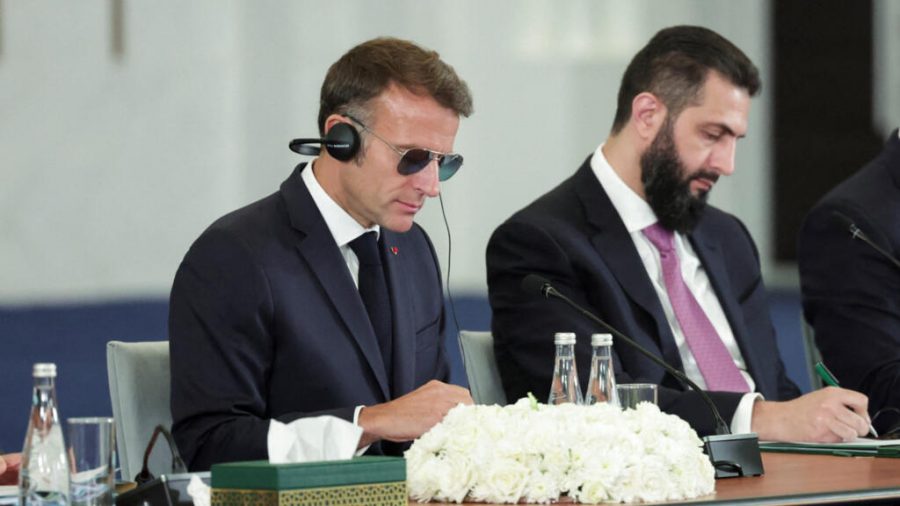
In a groundbreaking move, French President Emmanuel Macron has made history by becoming the first leader from the European Union to visit Syria since the onset of the civil conflict that saw the ousting of dictator Bashar al-Assad. This visit marks a pivotal moment in EU-Syria relations, as both Macron and Syrian officials express a desire to pave the way toward the country’s rehabilitation amidst ongoing challenges.
The Significance of Macron’s Visit
Macron’s visit to Syria is laden with implications, not only for the war-torn nation but also for broader European diplomatic efforts in the region. Since the civil war erupted in 2011, Syria has faced international isolation, and Macron’s decision to engage with the Syrian government highlights a shift in approach among certain European leaders. By initiating dialogue, Macron aims to signal a willingness to re-establish ties and support Syria’s recovery.
Building a Path to Rehabilitation
During his visit, Macron and Syrian Foreign Minister Faisal al-Sharaa discussed various avenues for cooperation, focusing on humanitarian aid and rebuilding efforts. Both leaders emphasized the importance of stability in the region, which is crucial not only for Syria but for the wider Middle East.
Major Security Challenges Remain
However, Macron’s visit did not come without risks. Two unclaimed explosions occurred in Damascus, not far from the hotel where Macron was staying, underscoring the persistent security threats that plague the capital. These incidents serve as a stark reminder of the challenges that lie ahead as Syria navigates its political landscape and seeks to regain stability.
The Implications for the EU
Macron’s engagement with Syria raises questions about the future of the EU’s foreign policy in the region. While some member states have advocated for maintaining sanctions and isolating the Assad regime, Macron’s approach signals a willingness to reconsider these strategies. By fostering dialogue, the French president hopes to encourage other EU leaders to take a more nuanced stance on Syria.
A Broader Context
The visit also comes at a time when various geopolitical dynamics are at play in the Middle East. With ongoing conflicts in neighboring countries and the rise of new alliances, Macron’s outreach to Syria could be seen as an attempt to recalibrate France’s influence in the region.
Conclusion
As President Macron returns to France, the repercussions of his historic visit will likely resonate across diplomatic circles. The journey symbolizes a potential turning point for Syria, as well as a re-evaluation of the European Union’s approach to one of the most complex crises of the 21st century. While the road to rehabilitation is fraught with obstacles, Macron’s willingness to engage with the Assad government may open new avenues for cooperation and dialogue.
What Lies Ahead?
The future of Syria remains uncertain. Macron’s visit highlights both the possibilities and the pitfalls of re-engagement with a nation that has faced years of devastation. As international observers watch closely, the next steps taken by both the Syrian government and European leaders will be crucial in determining the path forward.