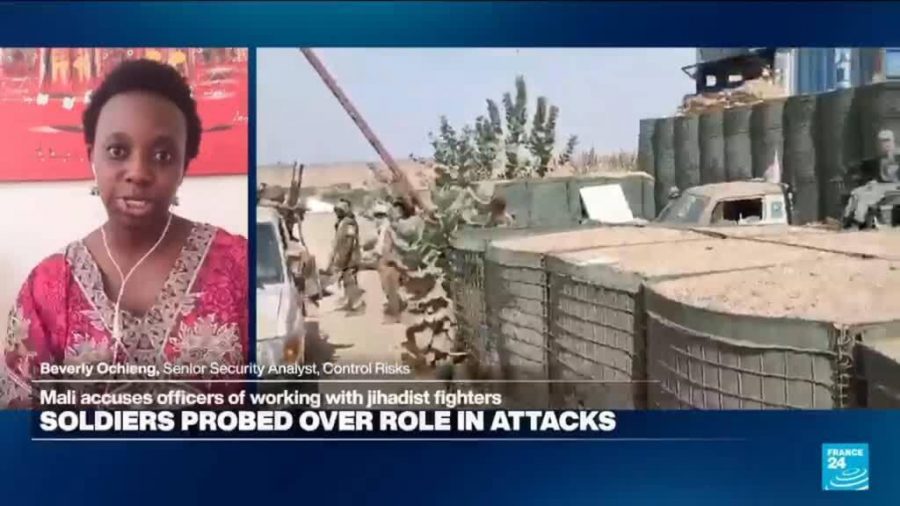
Mali, a landlocked country in West Africa, is facing a severe crisis as jihadist fighters and Tuareg separatists threaten the capital city of Bamako. The country’s military is struggling to maintain control amid a growing jihadist insurgency, with a number of soldiers arrested for allegedly collaborating with Al-Qaeda-linked militants.
The Escalating Security Crisis
The Islamist group JNIM, alongside separatist rebels, has reportedly seized two northern cities, killed the defence minister, and is now attempting to impose a blockade on Bamako. This has led to a significant escalation of the security crisis in the country, with the government facing immense pressure to restore order and stability.
Role of Russian Mercenaries
Russian mercenaries have been playing a significant role in supporting the government in its fight against the jihadists. The presence of these mercenaries has been a subject of controversy, with many questioning their true intentions and the impact of their involvement on the overall security situation in the country.
Analysis of the Crisis
According to Beverley Ochieng, a specialist in West Africa and political risk analyst at Control Risks, the crisis in Mali is a complex one, with multiple factors at play. The situation is further complicated by the presence of various armed groups, each with their own agenda and motivations.
Ochieng notes that the government’s ability to respond effectively to the crisis is hindered by corruption, lack of resources, and inadequate training of security forces. This has created an environment in which jihadist groups can thrive, and has allowed them to launch repeated attacks on government forces and civilians.
Impact on Civilians
The crisis in Mali has had a devastating impact on civilians, with many forced to flee their homes and seek refuge in other parts of the country.
- Thousands of people have been displaced, with many more at risk of displacement as the conflict escalates.
- Civilians are also facing severe humanitarian challenges, including lack of access to food, water, and medical care.
- The conflict has also had a significant impact on the country’s economy, with trade and commerce severely disrupted.
International Response
The international community has been criticized for its response to the crisis in Mali, with many arguing that more needs to be done to support the government and civilians. The United Nations has a peacekeeping mission in the country, but its mandate and resources have been limited.
France, which has historically been involved in the region, has also been criticized for its role in the crisis. While France has provided significant military support to the government, its actions have been seen as inadequate by many.