Market Volatility Returns: Understanding the Impact of AI and Mega IPOs
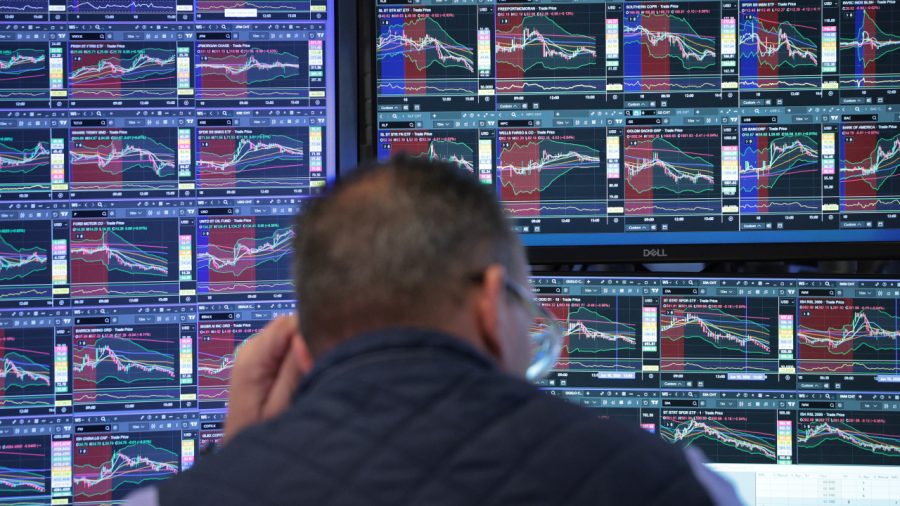
The stock market has seen a resurgence in volatility recently, with dramatic swings in major indices capturing the attention of investors and analysts alike. Factors such as artificial intelligence (AI) jitters and a slew of mega initial public offerings (IPOs) are contributing to this unpredictable environment, prompting many to question the stability of the current market landscape.
AI Jitters: A Double-Edged Sword
Artificial intelligence has been hailed as a transformative force in various sectors, from healthcare to finance. However, as companies rush to embrace AI technologies, uncertainty looms over the potential implications for jobs and market dynamics. This anxiety has led to fluctuations in stock prices, particularly for tech companies heavily invested in AI.
Investors are grappling with the dual nature of AI’s impact. On one hand, there is the potential for increased productivity and innovation, which can drive stock prices upward. On the other hand, fears about job displacement and ethical concerns surrounding AI usage have caused many to adopt a cautious approach. These conflicting sentiments are reflected in the market’s choppy movements.
The Surge of Mega IPOs
Another significant factor contributing to the recent market volatility is the emergence of mega IPOs. High-profile companies are entering the public market with substantial valuations, sparking excitement and speculation among investors. Notably, the recent IPOs of prominent tech firms have resulted in wild swings in their stock prices, further amplifying the overall index movements.
Investors often react strongly to the performance of newly public companies, leading to increased trading activity and price volatility. For instance, when a highly anticipated IPO fails to meet expectations, it can trigger a rapid sell-off, impacting not only the company in question but also broader market indices. This interconnectedness highlights the fragility of market sentiment in the face of new entrants.
The Role of Economic Indicators
In addition to AI and mega IPOs, economic indicators continue to influence market behavior. Recent reports on inflation, interest rates, and employment figures have added layers of complexity to investors’ decision-making processes. For instance, unexpected changes in inflation rates can prompt the Federal Reserve to adjust interest rates, leading to immediate repercussions in the stock market.
Investors are now paying closer attention to these indicators, often reacting swiftly to news releases. This heightened sensitivity can prompt rapid market movements, leading to further volatility as traders adjust their positions based on the latest economic data.
Strategies for Navigating Choppy Markets
Given the current state of the markets, investors are seeking strategies to mitigate risk while navigating these turbulent waters. Here are some approaches to consider:
- Diversification: Spreading investments across various asset classes can help reduce overall risk and cushion against market swings.
- Long-Term Focus: Maintaining a long-term perspective can help investors avoid the pitfalls of short-term volatility.
- Staying Informed: Keeping abreast of market trends, economic indicators, and industry developments is crucial for making informed decisions.
- Risk Management: Implementing strategies such as stop-loss orders can help protect investments from drastic downturns.
Conclusion: Adapting to Uncertainty
The return of choppy markets serves as a reminder of the inherent uncertainties in investing. With AI developments and mega IPOs reshaping the landscape, investors must remain vigilant and adaptable. By employing sound investment strategies and staying informed, they can navigate the complexities of the current market environment while positioning themselves for potential opportunities ahead.