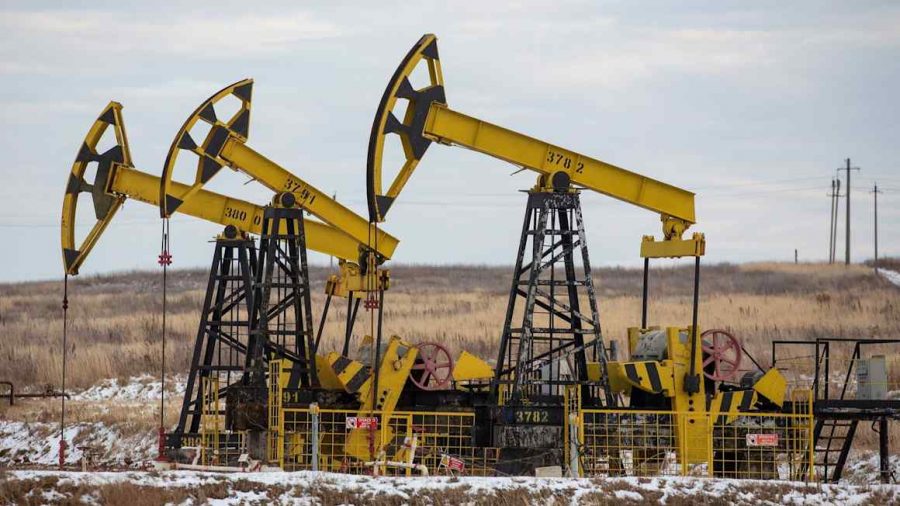
Middle East Peace Deal Could Lead to Oil Glut in 2024
The International Energy Agency (IEA) has recently projected that a potential peace deal in the Middle East could lead to an unprecedented oil glut next year. As geopolitical tensions ease and oil production ramps up, the market may soon find itself flooded with oil, surpassing current demand forecasts.
Gradual Return of Oil Flows
The report highlights that the gradual return of oil flows from the region is expected to give way to a sharp increase in production levels. With several Middle Eastern countries poised to ramp up output in response to stabilizing political conditions, the oil market could experience significant shifts.
Production Outpacing Demand
Analysts at the IEA suggest that the anticipated increase in production will likely outstrip forecasts for rising global oil demand. This imbalance could create downward pressure on oil prices, which have seen fluctuations due to ongoing geopolitical tensions and supply chain disruptions.
Implications for Global Oil Markets
The implications of a potential oil glut are far-reaching. A surplus of oil could lead to reduced prices, benefiting consumers but potentially harming oil-exporting nations that rely on high prices to fund their economies. Additionally, this shift could alter the dynamics of energy markets globally.
Key Factors Influencing Oil Production
- Political Stability: A lasting peace agreement could foster a more stable environment for oil production and distribution.
- Investment in Infrastructure: Increased investments in oil extraction and transportation infrastructure will support the surge in production.
- Technological Advances: Innovations in drilling technology may enhance efficiency and yield higher production rates.
Market Reactions and Future Predictions
Market analysts are closely monitoring developments in the Middle East, noting that even the hint of a peace deal can lead to immediate reactions in oil prices. Traders are increasingly optimistic about the potential for increased supply, which may lead to strategic adjustments in investment portfolios.
As oil-producing nations prepare to increase their output, they are also weighing the potential economic fallout from lower prices. If production levels exceed demand, countries heavily reliant on oil revenues may face economic challenges.
Conclusion
The IEA’s outlook on a prospective oil glut in 2024 underscores the delicate balance between geopolitical stability and market dynamics. As Middle Eastern countries consider their production strategies in light of potential peace agreements, the global oil market remains on the precipice of significant change. The coming months will be critical as stakeholders navigate the intersection of international diplomacy and energy economics.