Introduction
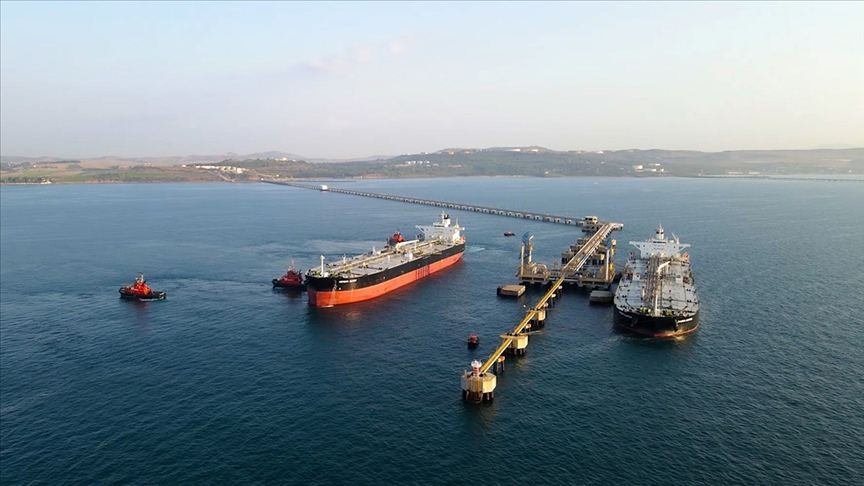
The ongoing tensions in the Hormuz Strait have ignited a surge in pipeline development across the Middle East. As geopolitical dynamics shift, nations are racing to secure energy routes, transforming the landscape of oil transportation in the region.
The Hormuz Strait: A Critical Waterway
The Hormuz Strait, a narrow passage that connects the Persian Gulf to the Gulf of Oman, is one of the world’s most vital maritime chokepoints. Approximately 20% of the world’s oil supply passes through this strait, making it a focal point for international trade and energy security.
Growing Tensions and Their Impact
Recent escalations in military posturing among regional powers have raised alarms about the potential for conflict. Iran’s threats to block the strait in response to sanctions have prompted neighboring countries to rethink their energy strategies. In response, nations such as Saudi Arabia, the UAE, and Oman are investing heavily in new pipeline infrastructures that bypass the strait entirely.
Pipeline Developments Across the Region
Several ambitious projects are underway to enhance energy transport capabilities. Here are some key initiatives:
- Saudi Arabia’s East-West Pipeline: This pipeline allows Saudi oil to be transported directly to the Red Sea, providing an alternative route to the vulnerable strait.
- The UAE’s Habshan-Fujairah Pipeline: Completed in 2012, this strategic route enables UAE oil to bypass the Hormuz Strait, reducing reliance on this critical chokepoint.
- Oman’s Duqm Refinery and Port: Oman is developing its port facilities to facilitate oil exports, adding another layer of security to its energy infrastructure.
Economic Implications of the Pipeline Boom
The surge in pipeline projects is not only a strategic response to regional instability but also a significant economic opportunity. Countries involved in these developments stand to benefit from increased oil export capacities, which can lead to enhanced revenue streams.
Moreover, the construction of these pipelines creates jobs and stimulates local economies, paving the way for future investments in the energy sector. However, the financial outlay required for such projects raises concerns about long-term sustainability, especially amidst fluctuating oil prices.
The Global Energy Market’s Reaction
The global energy market is closely monitoring the situation in the Middle East. Analysts suggest that the realignment of energy routes could lead to shifts in pricing and availability of oil worldwide. As countries outside the region adapt to changing supply chains, the implications for energy consumers could be significant.
Environmental Considerations
As the pipeline boom unfolds, environmental concerns are also coming to the forefront. The construction and operation of pipelines pose risks to local ecosystems, and there are growing calls for sustainable practices in the energy sector. Balancing economic growth with environmental stewardship will be a crucial challenge for nations undertaking these projects.
Conclusion
The crisis in the Hormuz Strait has catalyzed a significant transformation in the Middle East’s energy landscape. As countries invest in pipeline infrastructure to secure their energy future, the region is poised for a new era of energy transportation. How these developments will impact global markets, regional stability, and environmental sustainability remains to be seen.