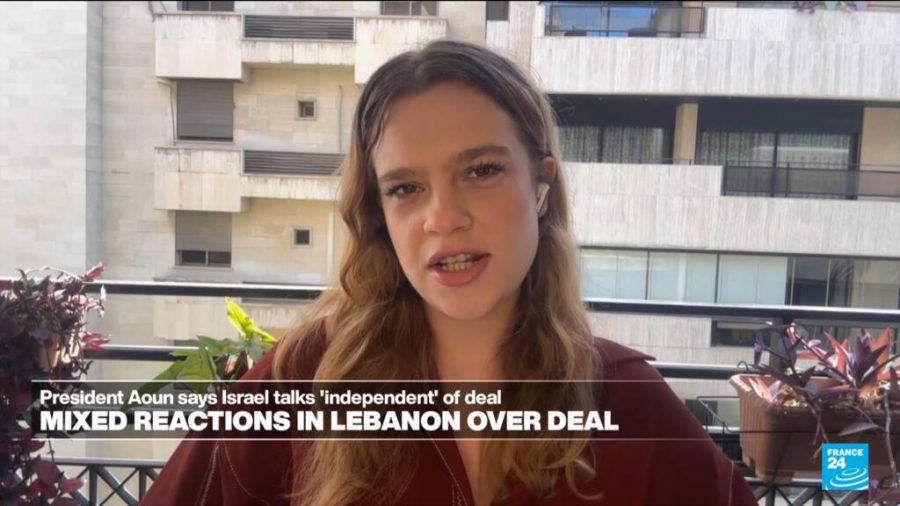
Mixed Reactions Over US-Iran Deal in Lebanon
The recent US-Iran deal has stirred a wave of hope and skepticism across Lebanon as the nation grapples with the ongoing repercussions of regional tensions. While the agreement promises potential benefits for the region, many Lebanese citizens are left questioning its implications for their war-torn country.
Hope Amidst Despair
In the wake of the US-Iran accord, some Lebanese view the deal as a glimmer of hope for a country that has faced relentless challenges. The agreement, which aims to stabilize relations between the two nations, has sparked optimism that it could lead to a more peaceful coexistence in the Middle East, particularly for Lebanon.
Exclusion from Reconstruction Funds
However, despite this optimism, Lebanon’s exclusion from the $300 billion reconstruction fund associated with the deal has left many feeling overlooked and frustrated. The southern region of Lebanon, which has been devastated by years of conflict and Israeli airstrikes, is notably absent from the funding discussions. This exclusion raises questions about the international community’s commitment to rebuilding areas most affected by violence.
Continued Violence and Instability
Despite the hopeful tone surrounding the US-Iran agreement, Israeli strikes in southern Lebanon have persisted, exacerbating the already dire humanitarian situation. Local residents report that the threat of violence remains ever-present, making it difficult to envision a future where reconstruction and peace are possible.
Public Sentiment
The mixed reactions among the Lebanese population reflect a deep-seated skepticism towards foreign interventions and agreements that do not directly address their needs. Many citizens express concerns that while the geopolitical landscape may shift, their daily lives remain unchanged, marked by uncertainty and fear.
Political Implications
Political analysts suggest that the US-Iran deal could have significant ramifications for Lebanon’s internal dynamics. The balance of power among local factions may shift as new alliances are formed or existing ones are tested in response to the evolving regional situation.
Looking Forward
As Lebanon navigates this complex landscape, the need for a comprehensive approach to rebuilding and stabilizing the country becomes increasingly urgent. Community leaders and activists are calling for the international community to recognize Lebanon’s unique challenges and provide the necessary support to rebuild not only infrastructure but also trust among its citizens.
- Local Voices: Many Lebanese are voicing their opinions about the US-Iran deal, highlighting the need for a focus on humanitarian aid and support for reconstruction.
- International Responsibility: There is a growing call for the international community to take responsibility for addressing the needs of the Lebanese people.
- Future Prospects: While the deal presents opportunities, it is essential to align efforts with the realities on the ground in Lebanon.
Conclusion
The US-Iran deal may hold the promise of a new chapter for Lebanon, but the mixed reactions from its citizens reveal a deep-rooted need for tangible support and security. As the country faces ongoing challenges, the hope for a brighter future hinges on the recognition of its needs and the commitment of the international community to assist in its reconstruction.