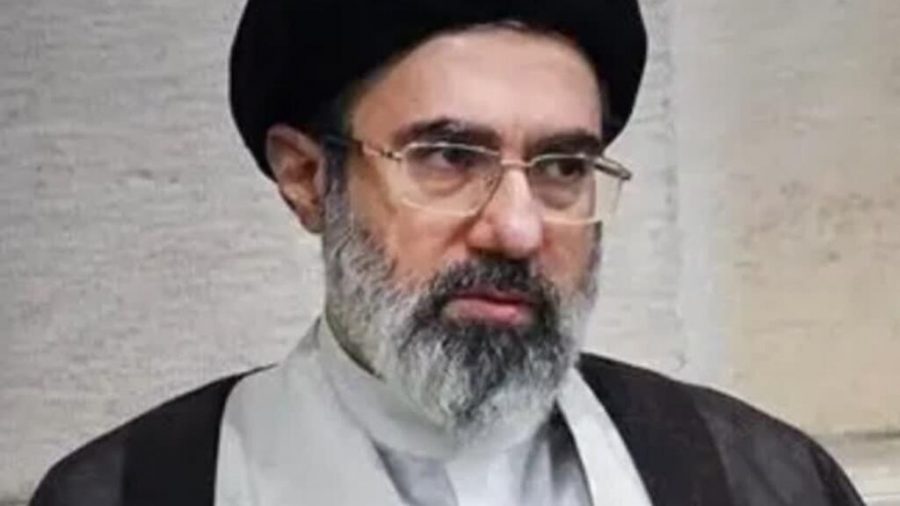
Mojtaba Khamenei Vows Revenge Following Father’s Killing
In a dramatic escalation of tensions, Iran’s supreme leader Mojtaba Khamenei has pledged to avenge the assassination of his father and predecessor, Ayatollah Ali Khamenei, by U.S. and Israeli forces. This declaration came mere hours after U.S. President Donald Trump issued a stark warning against any attempts on Khamenei’s life, signaling a precarious moment in U.S.-Iran relations.
The Context of the Assassination
The killing of Ayatollah Ali Khamenei, a pivotal figure in Iran’s political landscape, has sent shockwaves throughout the region. The elder Khamenei, who served as Iran’s Supreme Leader for decades, was a staunch opponent of U.S. policies in the Middle East and a key architect of Iran’s nuclear program. His death not only removes a significant leader but also raises questions about the future direction of Iranian politics.
Implications of Mojtaba Khamenei’s Response
Mojtaba Khamenei, who has been positioned as a potential successor, is now thrust into the international spotlight with his vow for revenge. His remarks are likely to resonate deeply within Iran, where sentiments against the U.S. and Israel run high. The younger Khamenei emphasized that the blood of his father would not go unavenged, rallying support from hardliners within the regime.
Trump’s Warning: A Call for Caution?
President Trump’s warning against any attempts to assassinate Mojtaba Khamenei highlights the delicate balance of power and the potential for further escalation. The President’s comments suggest a recognition of the volatile situation that could lead to a wider conflict in the Middle East. Analysts speculate that Trump’s remarks aim to prevent retaliatory actions from Iran that could spiral out of control.
Regional Reactions
The assassination has sparked outrage in Iran, leading to widespread protests and calls for retaliation against the U.S. and Israel. Many Iranians, particularly those aligned with hardline factions, view this killing as an act of war. The Iranian government is likely to leverage this incident to consolidate power and unify the nation against perceived external threats.
International Reactions
Globally, reactions to the assassination and subsequent threats of retaliation have varied. Western nations have urged restraint, fearing that any military response from Iran could destabilize an already volatile region. Meanwhile, allies of Iran, including Russia and China, have expressed solidarity, criticizing the U.S. for its aggressive foreign policy.
Looking Ahead
As tensions continue to rise, the situation remains fluid. The potential for retaliation from Iran could manifest in various forms, from cyberattacks to proxy warfare in the region. The international community is watching closely, as any miscalculation could lead to a broader conflict.
Mojtaba Khamenei’s promise of revenge marks a critical juncture in Iran’s history, as the country grapples with the loss of a revered leader and the threat of external aggression. The coming weeks will be pivotal in determining how Iran responds and the implications for peace in the Middle East.