Moscow’s Victory Day Parade to Take a Different Turn
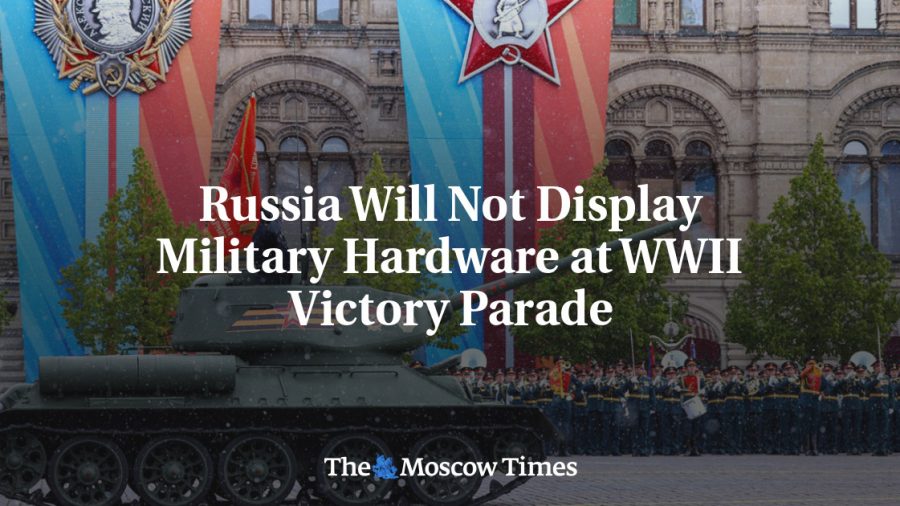
Moscow’s annual Victory Day Parade, a celebration of the Soviet Union’s victory over Nazi Germany in World War II, is set to take place without the traditional display of military vehicles for the first time in nearly 20 years. The decision, as announced by the Defense Ministry, cites the “current operational situation” as the reason behind this significant change in the parade’s format.
A Shift in Tradition
The Victory Day Parade, held on May 9th, is a symbol of national pride and military strength for Russia. Over the years, it has featured an impressive array of military hardware, including tanks, trucks, and other vehicles, showcasing the country’s military capabilities. However, this year’s parade will focus more on the ceremonial aspects, honoring the veterans and the historic victory without the display of military vehicles.
Rationale Behind the Decision
The Defense Ministry’s decision to forgo the display of military vehicles is seen as a strategic move, considering the current geopolitical climate. While the exact reasons are not explicitly stated, analysts speculate that the decision could be influenced by various factors, including the ongoing conflict in Ukraine and the need to prioritize military resources.
Implications and Speculations
The change in the parade’s format has sparked a range of reactions, from understanding to skepticism. Some view this decision as a prudent measure, given the current operational situation, while others see it as a sign of weakness or a shift in military priorities. The parade, nonetheless, is expected to maintain its ceremonial grandeur, with a focus on the historical significance of the victory and the honor of the veterans who fought in World War II.
What to Expect
Despite the absence of military vehicles, the Victory Day Parade is expected to be a grand event, with thousands of participants, including military personnel, veterans, and civilians. The parade will feature ceremonial marches, military bands, and historic reenactments, aiming to capture the spirit of the historic victory. Key aspects of the parade will include:
- Ceremonial processions and marches by military units and veterans’ groups
- Performances by military bands and orchestras
- Historic reenactments and commemorations of significant battles and events
- Tributes to the fallen soldiers and veterans of World War II
The shift in the parade’s format serves as a reminder of the evolving nature of military ceremonies and the need to adapt to changing circumstances. As the world watches Moscow’s Victory Day Parade, it will be interesting to see how this new format is received and what it might signify for future military events.