Russia’s Stance on Conflict: Insights from NATO’s Top US Commander
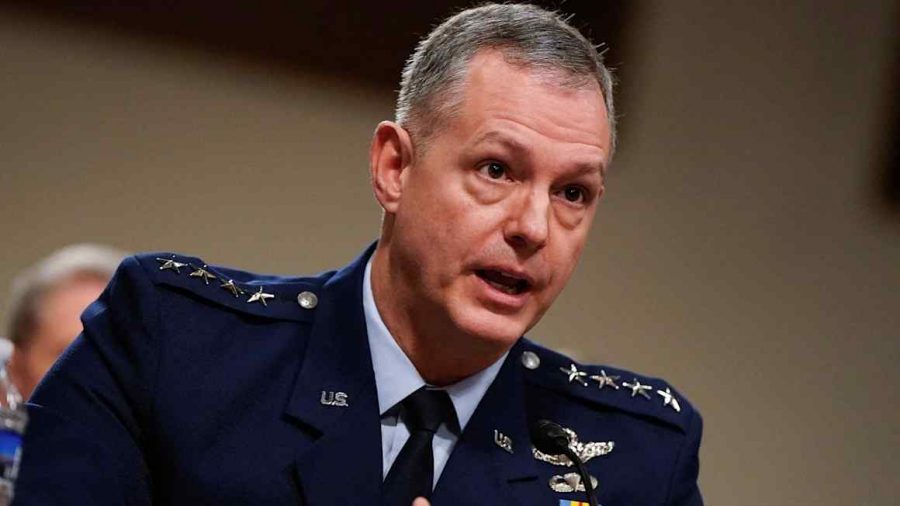
In a recent statement that has drawn attention from political analysts and security experts alike, General Christopher Grynkewich, NATO’s top US commander, emphasized that Russia is currently “not looking for conflict.” This declaration comes at a time when the United States is strategically withdrawing key military assets from Europe, raising questions about the implications for regional security and NATO’s collective defense posture.
The Context of the Statement
General Grynkewich’s remarks were made during a briefing where he addressed various geopolitical tensions affecting Europe and NATO’s response strategies. His assertion that Russia is not actively seeking conflict contrasts sharply with the prevailing narrative of heightened tensions following Russia’s military activities in Ukraine and its aggressive posture towards NATO member states.
Understanding Russia’s Military Posture
While General Grynkewich suggests a more measured approach from Moscow, analysts caution that this does not mean that the threat of conflict has dissipated. Russia continues to maintain a significant military presence along its western borders, and recent exercises have showcased its capabilities. For many in the defense community, the question remains: What does it mean for NATO’s strategy if Russia is not seeking conflict, yet remains militarily aggressive?
Impacts of the US Military Withdrawal
The decision by Washington to withdraw key military assets from Europe has sparked debate among NATO allies and defense analysts. The withdrawal is seen as a move to recalibrate US military focus amid shifting global priorities, particularly with increasing tensions in the Indo-Pacific region. However, it raises concerns about the security commitments to European allies, especially in light of Russia’s unpredictable military actions.
- Strategic Implications: The US withdrawal of forces may signal a reduced American footprint in Europe, leading to potential vulnerabilities in the collective defense framework.
- European Response: European NATO members are now under pressure to bolster their own defense capabilities to counter any potential aggressions.
- Diplomatic Efforts: Grynkewich’s comments underscore the importance of diplomacy and dialogue in managing tensions with Russia, despite the military withdrawals.
The Role of Diplomacy in Security
General Grynkewich highlighted the necessity for continued dialogue with Russia as a means to prevent misunderstandings that could lead to conflict. NATO has been engaging in various diplomatic efforts to reassure its members and maintain open lines of communication with Moscow. The balance between deterrence and diplomacy remains a critical aspect of NATO’s strategy moving forward.
Conclusion: A Complex Security Environment
As NATO navigates this complex security environment, the interplay between military readiness and diplomatic engagement will be paramount. General Grynkewich’s assertion that Russia is not currently seeking conflict may provide a glimmer of hope, but the realities on the ground demand vigilance and proactive measures from NATO allies. The coming months will be crucial in determining the trajectory of US and NATO military presence in Europe and the broader implications for transatlantic security.