Introduction
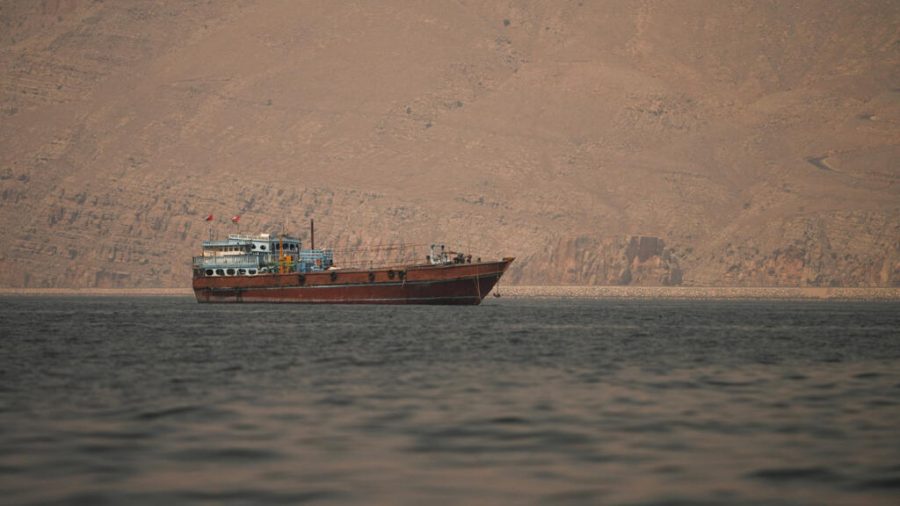
The Strait of Hormuz, a critical maritime corridor for global oil transport, is once again at the center of geopolitical tensions. Recent attacks on commercial vessels have raised alarms, prompting discussions about alternative navigation routes to enhance safety.
Escalating Tensions in the Strait
In the past week, two separate incidents involving attacks on ships have reignited concerns over the security of the Strait of Hormuz. This vital waterway, through which approximately one-fifth of the world’s oil supply passes, has long been a flashpoint in the ongoing standoff between Iran and the United States.
Recent Attacks Highlight Vulnerabilities
The attacks have underscored the precarious situation faced by maritime operators. While details remain scarce, the incidents have prompted immediate calls for enhanced security measures. Analysts suggest that these attacks could be an indication of a broader strategy to disrupt shipping routes as tensions escalate.
Alternative Shipping Corridors: A Double-Edged Sword
In light of the recent threats, discussions have emerged regarding the feasibility of diverting shipping traffic through an alternative corridor off the coast of Oman. This plan aims to provide a safer passage for vessels seeking to avoid the strait altogether. However, experts warn that this solution may not be as straightforward as it appears.
The Challenges of Alternative Routes
While the proposed corridor offers a potential escape from the immediate dangers of the strait, it presents its own set of challenges. Navigating through less-traveled waters can pose risks due to limited infrastructure, increased travel time, and uncharted hazards. Additionally, the success of this diversion hinges on the cooperation of neighboring nations and the ability to monitor and secure these alternative routes.
Diplomatic Efforts: Iran and Oman Step In
In a bid to address the security concerns plaguing the Strait of Hormuz, Iran and Oman have agreed to engage in diplomatic talks to discuss the management of the waterway. This cooperation is seen as a crucial step towards establishing a framework for safe navigation and reducing the risk of further incidents.
The Role of International Stakeholders
The international community is closely monitoring these developments, as the stability of the Strait of Hormuz has far-reaching implications for global energy markets. Nations that rely heavily on oil imports from the Gulf region are particularly concerned about the potential for disruption. The involvement of global players in these discussions will be vital in ensuring that any agreements reached are respected and enforced.
The Bigger Picture: Geopolitical Implications
The ongoing tensions in the Strait of Hormuz are a microcosm of the larger geopolitical struggles in the region. The U.S. has taken a strong stance against Iran, implementing sanctions and military postures aimed at curbing its influence. Meanwhile, Iran continues to assert its presence in the Gulf, often through asymmetric tactics that challenge the traditional naval superiority of its adversaries.
Looking Ahead
As the situation continues to evolve, the focus must remain on finding sustainable solutions that ensure the safety of maritime operations in one of the world’s most crucial shipping lanes. The recent attacks serve as a stark reminder of the complexities and dangers involved in navigating these waters, and the urgent need for collaborative efforts to secure the Strait of Hormuz.
Conclusion
As discussions between Iran and Oman progress, the future of shipping through the Strait of Hormuz remains uncertain. With geopolitical dynamics shifting and the threat of further attacks looming, the maritime community must stay vigilant and adaptable to ensure safe passage through this vital corridor.