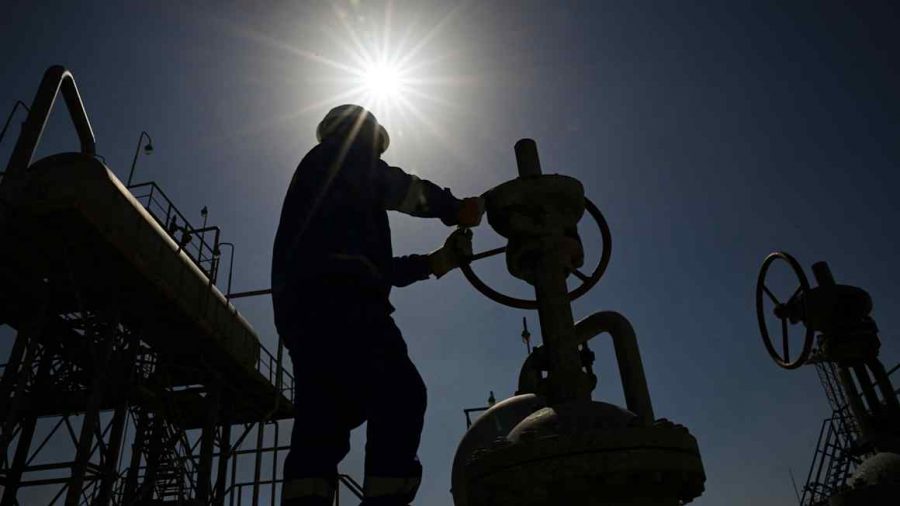
The closure of the Strait of Hormuz has initiated a seismic shift in the global energy landscape. With oil production facilities and markets facing unprecedented challenges, the long road to recovery will demand resilience and strategic planning.
The Impact of the Strait of Hormuz Closure
Located between Iran and Oman, the Strait of Hormuz serves as a critical chokepoint for oil shipments, with approximately 20% of the world’s oil passing through this narrow waterway. The closure, prompted by heightened tensions in the region, sent shockwaves through global markets, causing oil prices to soar and igniting fears of a prolonged energy crisis.
Immediate Consequences for Global Oil Supply
The immediate aftermath of the closure has been characterized by significant disruptions in oil supply chains. Countries heavily reliant on imports from the Gulf region are scrambling to secure alternative sources, while producers face logistical hurdles in transporting crude oil to international markets.
- Price Volatility: Oil prices have surged, reflecting the uncertainty surrounding future supply and demand dynamics.
- Production Challenges: Oil production facilities are grappling with increased operational costs and the need to pivot their strategies.
- Market Instability: Investor sentiment has turned cautious, leading to fluctuations in stock prices across energy sectors.
Long-Term Implications
Experts predict that the repercussions of the closure will linger for months, if not years. As countries seek to diversify their energy sources, the transition may lead to a realignment of global energy markets.
Strategic Responses from Key Players
In response to the crisis, several nations are exploring strategic measures to mitigate the impact of the closure. The following actions are being considered:
- Increased Production: Some oil-producing nations are ramping up production to offset losses from the Gulf region.
- Alternative Routes: Efforts are underway to establish alternative shipping routes that bypass the Strait of Hormuz, though these may come with increased costs and logistical complexities.
- Investment in Renewable Energy: The crisis has underscored the need for a transition to renewable energy sources, prompting governments to boost investments in sustainable technologies.
The Role of Technology
Advancements in technology will play a crucial role in shaping the recovery process. Innovations in oil extraction, transportation, and refining may help alleviate some of the pressures created by the closure.
Conclusion: A Road to Recovery
As the world grapples with the fallout from the Iran energy shock, the road to recovery will be long and fraught with challenges. Stakeholders across the energy landscape must navigate this complex environment with foresight and adaptability, as the global economy adjusts to a new reality in energy supply and demand.