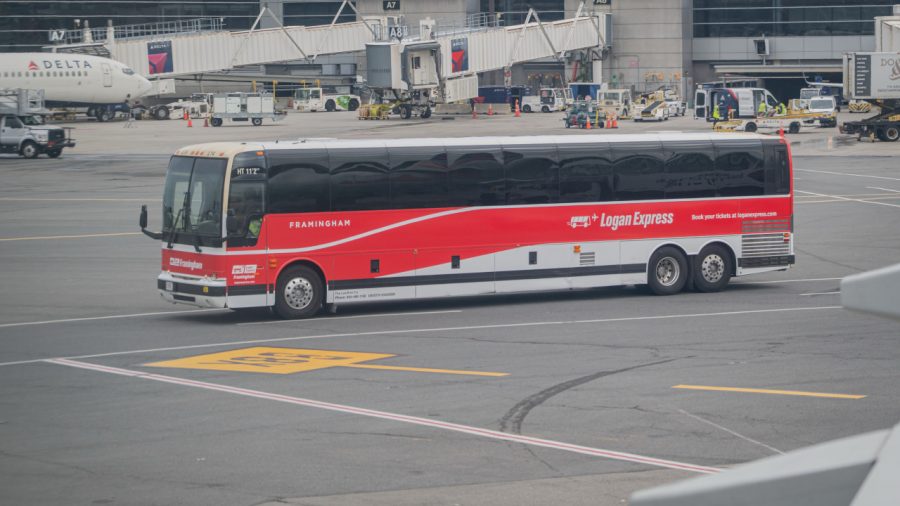
Navigating the TSA’s New Screening Terminal: A Traveler’s Experience
In an effort to alleviate the stress and chaos often associated with airport security, the Transportation Security Administration (TSA) has launched a new initiative at a remote terminal outside Boston. While this innovative approach aims to streamline the screening process, many travelers are discovering that the trade-off may be longer wait times and unexpected challenges.
The Concept Behind the Remote Terminal
The TSA’s strategy involves utilizing a remote terminal that moves the security screening process away from the bustling main airport areas. This initiative is designed to minimize congestion and provide a more organized environment for travelers. By screening passengers in a less crowded location, the TSA hopes to enhance the overall travel experience.
Initial Impressions
Upon arriving at the remote terminal, my first impression was one of curiosity mixed with skepticism. The facility itself was clean, modern, and well-staffed, which offered a sense of reassurance. However, the remote location raised questions about accessibility and convenience, particularly for those unfamiliar with the area.
Understanding the Process
The check-in process at the remote terminal was relatively straightforward. Travelers are directed to a designated area where they can drop off their luggage before proceeding to the screening area. However, the real test comes when it’s time to go through security.
Time Considerations
One of the main selling points of the remote terminal is the expectation of shorter lines. However, during my visit, the reality was different. Despite the promise of expedited screening, I found myself standing in line for what felt like an eternity. The distance from the main airport and the lack of clear signage didn’t help either, leading to confusion among travelers.
The Screening Experience
Once I reached the screening area, the process was efficient, but the wait had already taken a toll on my overall travel time. The TSA agents were professional and courteous, ensuring that the screening was conducted smoothly. However, the additional time spent navigating the remote terminal raised questions about whether this new approach was truly beneficial.
Potential Benefits
Despite the frustrations, there are some potential benefits to the new system. The remote terminal is less chaotic, providing a calmer atmosphere for those who may experience anxiety during the security process. Additionally, the facility is equipped with modern technology and resources, which could improve the efficiency of future screenings.
Challenges Ahead
Nevertheless, the challenges are significant. For travelers with tight schedules, the time spent traveling to and from the remote terminal could negate any advantages gained from the streamlined security process. Furthermore, those unfamiliar with the area may find it difficult to navigate to the terminal, potentially leading to missed flights.
Conclusion: Is It Worth It?
In conclusion, the TSA’s new remote terminal screening initiative offers a fresh take on airport security, but it comes with its own set of complications. While the intention is to reduce airport hassles, the reality may leave travelers questioning whether the benefits outweigh the added time and effort. As the TSA continues to refine this process, travelers will have to weigh their options and decide if this new approach aligns with their travel needs.
- Pros: Less chaotic environment, modern facilities, potential for improved efficiency.
- Cons: Longer wait times, navigation challenges, potential for missed flights.