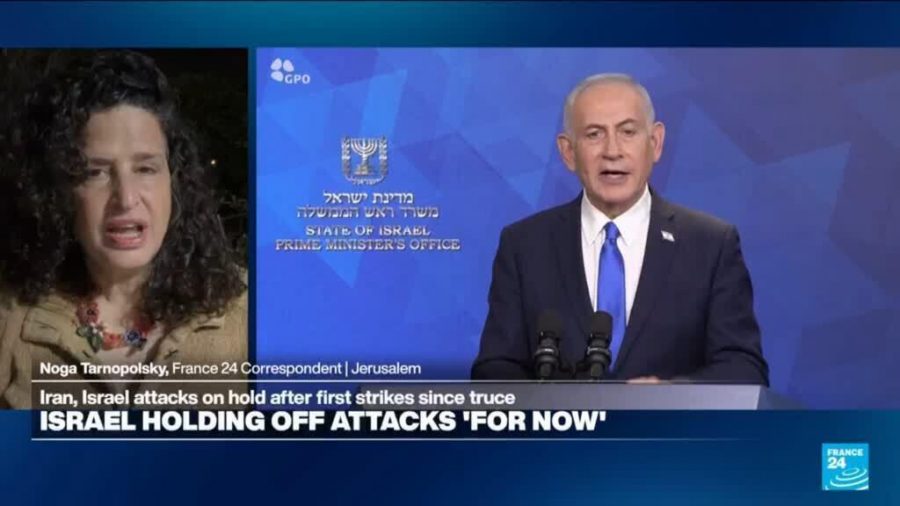
Netanyahu Announces Cessation of Hostilities with Iran
In a significant development in the ongoing tensions between Israel and Iran, Israeli Prime Minister Benjamin Netanyahu stated on Monday that recent Israeli military strikes have successfully deterred Iran from launching further attacks. In a televised address, Netanyahu asserted that these actions had led to a cessation of hostilities, but he cautioned that any resurgence of aggression from Iran would be met with a powerful response.
Background of the Tensions
The relationship between Israel and Iran has been fraught with hostility for decades, characterized by proxy wars, espionage, and military confrontations. Iran’s support for militant groups such as Hezbollah and its nuclear ambitions have been a major source of anxiety for Israel. Recently, Israeli intelligence had indicated a heightening threat from Iranian forces, prompting military action.
Details of the Israeli Strikes
Netanyahu did not provide specific details about the strikes or their targets, but he emphasized that the operations were necessary to protect Israel’s national security interests. Military analysts believe that these strikes were aimed at Iranian military installations in Syria, which have been used as staging grounds for attacks against Israel.
Netanyahu’s Warning to Iran
Despite the current lull in hostilities, Netanyahu did not shy away from issuing a stern warning to Tehran. “Should Iran make the mistake of resuming attacks against us, we will respond with full force,” he stated, underscoring Israel’s commitment to defend itself against any perceived threats. This rhetoric is consistent with Israel’s longstanding policy of preemptive strikes to neutralize threats before they materialize.
The Global Impact of the Situation
The implications of these developments extend beyond the immediate region. Iran’s potential nuclear capabilities and its role in regional conflicts have drawn international scrutiny, particularly from Western powers. The United States, Israel’s closest ally, has been involved in negotiations to curb Iran’s nuclear program, but tensions have escalated in recent months, complicating these discussions.
Reactions from the International Community
Reactions to Netanyahu’s announcement have varied widely. Some political analysts see this as a tactical victory for Israel, reinforcing its deterrent capabilities against Iranian aggression. Others, however, warn that escalation could lead to a broader conflict in the Middle East, potentially drawing in global powers and destabilizing the region further.
Conclusion
As the situation remains fluid, the international community will be closely monitoring developments. Netanyahu’s declaration of a halt in hostilities may provide a temporary respite, but with underlying tensions unresolved, the threat of renewed conflict looms large. Israel’s military readiness and Iran’s next moves will be crucial in shaping the future of this volatile relationship.