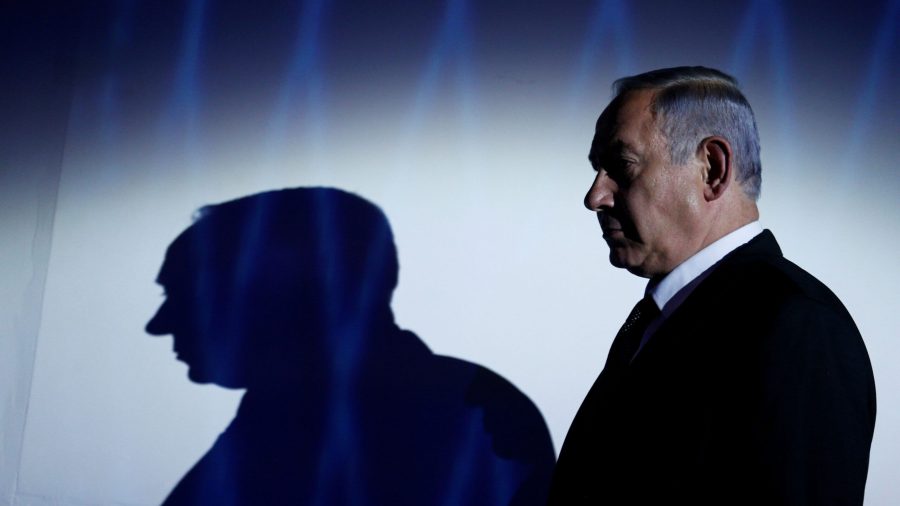
In a region where instability is often the norm, Israeli Prime Minister Benjamin Netanyahu has repeatedly demonstrated a strategy that thrives on chaos. Critics argue that his calculated moves to reignite tensions at critical moments serve as a deliberate effort to maintain dominance and ensure his political survival. This approach was once again on display following a crucial diplomatic initiative by the United States, raising questions about Israel’s long-term strategy in the Middle East.
The Timing of Tensions
Just hours after former U.S. President Donald Trump revealed a framework aimed at de-escalating tensions with Iran, Israel launched a dual military operation. The strikes targeted a Hezbollah commander in the southern suburbs of Beirut and other strategic locations, reigniting hostilities at a time when the region appeared to be moving toward dialogue. This pattern of intervention, critics claim, is not isolated but part of a broader tactical playbook employed by Netanyahu to maintain strategic leverage.
A History of Strategic Disruption
Throughout Netanyahu’s tenure, his administration has often acted decisively to disrupt any potential shifts in the regional balance of power. From targeted strikes in Syria to covert operations against Iranian interests, Israel’s actions consistently align with a strategy of preemptive disruption. Analysts suggest this approach serves multiple purposes: deflecting international pressure, galvanizing domestic support, and ensuring that Israel remains a key player in shaping the region’s geopolitical landscape.
Domestically Motivated Chaos?
Netanyahu’s political career has been marked by a series of challenges, including corruption investigations and contested elections. Critics argue that fostering external crises can serve as a diversion from internal political turmoil. By projecting strength and decisiveness on the international stage, Netanyahu rallies support among his base and silences dissent, effectively turning foreign policy into a tool for domestic survival.
The Broader Implications
This strategy, while effective in the short term, comes with significant risks. Escalating tensions in an already volatile region could lead to unintended consequences, including the possibility of broader conflicts. Furthermore, such actions risk alienating key allies and undermining Israel’s long-term security interests. As the international community continues to push for de-escalation, Israel’s calculated interventions raise questions about the sustainability of Netanyahu’s approach.
What’s Next for the Region?
As the Middle East grapples with ongoing conflicts and power struggles, Netanyahu’s strategy underscores the complexities of the region’s geopolitics. Whether this approach will ultimately strengthen Israel’s position or lead to greater instability remains an open question. For now, one thing is clear: under Netanyahu’s leadership, Israel’s foreign policy will continue to be as unpredictable and dynamic as the region it seeks to control.
- Key takeaway: Netanyahu’s strategy of leveraging chaos highlights the delicate balance of power in the Middle East.
- Global impact: Israel’s actions influence not only regional dynamics but also the broader international community’s diplomatic efforts.