Nuclear Powers Escalate Warhead Deployment Amid Global Tensions
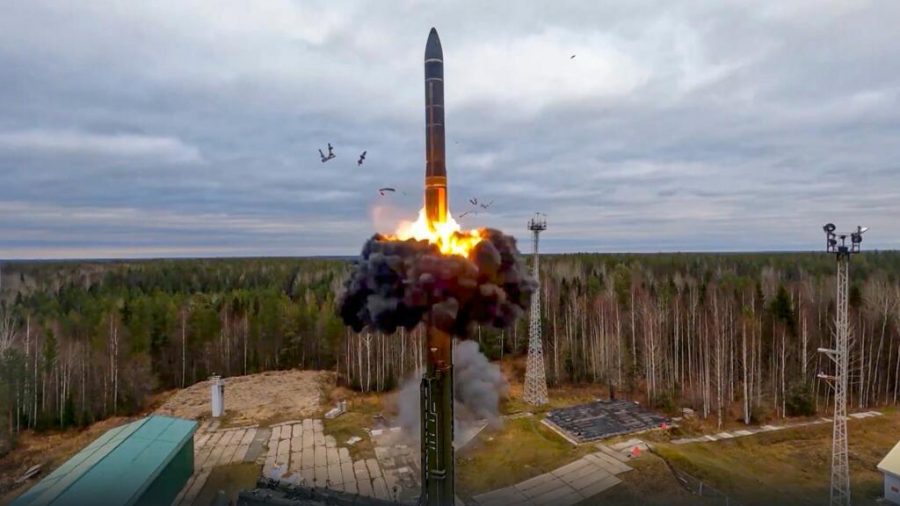
As geopolitical rivalries intensify, nuclear-armed states are increasingly shifting warheads from storage to operational delivery systems, posing a heightened risk of conflict, according to a recent report from the Stockholm International Peace Research Institute (SIPRI). This trend, observed despite an overall decline in nuclear stockpiles, raises concerns about a potential reversal of decades of progress in nuclear disarmament.
Growing Concerns Over Nuclear Arms Buildup
On Monday, SIPRI released its findings, highlighting a disturbing trend among the world’s nuclear powers. While total nuclear arsenals have seen a gradual decrease in recent years, the repositioning of warheads signifies an alarming shift towards readiness for potential deployment. This strategy not only reflects the current geopolitical climate but also suggests that nations are preparing for a more confrontational stance.
The Impact of Geopolitical Rivalries
The report identifies several key factors driving this increase in warhead deployment:
- Geopolitical Tensions: Heightened tensions between major powers, particularly in regions such as Eastern Europe and Asia, have prompted nations to bolster their nuclear capabilities as a deterrent.
- Modernization Programs: Many nuclear states are investing heavily in modernizing their arsenals, which includes the development of new delivery systems and warheads.
- Strategic Posturing: Nations are increasingly adopting aggressive postures in military strategy, a move that has implications for global security.
These elements contribute to a landscape where nuclear deterrence is viewed as essential, creating a paradox where fewer warheads do not necessarily equate to a safer world.
Potential Reversal of Disarmament Efforts
SIPRI’s research suggests that the current trajectory of nuclear armament could overshadow the significant strides made in nuclear disarmament over the past few decades. The Cold War era saw massive stockpiles of nuclear weapons, leading to widespread concerns about the potential for catastrophic conflict. International efforts to reduce these arsenals have been ongoing, with treaties such as the Strategic Arms Reduction Treaty (START) playing a pivotal role.
However, as nations prioritize their security in the face of perceived threats, the risk of a new arms race looms larger. SIPRI warns that if current trends continue, the world may witness a significant regression in nuclear disarmament, undermining years of diplomatic progress.
The Role of Global Diplomacy
In light of these developments, the role of global diplomacy becomes increasingly critical. Countries must engage in dialogue and negotiation to address the underlying issues fueling this arms buildup. Arms control agreements, confidence-building measures, and transparency in military capabilities are essential components of a strategy to mitigate the risks associated with nuclear weapons.
Experts argue that without concerted efforts towards disarmament and nuclear risk reduction, the world may find itself on a precarious path, with the potential for miscalculations and conflicts escalating into full-scale nuclear confrontations.
Conclusion
The SIPRI report serves as a stark reminder of the delicate balance of power in today’s geopolitical landscape. As nuclear-armed states continue to enhance their readiness, the international community must prioritize collaboration and dialogue to prevent a return to the dark days of nuclear proliferation and conflict. Only through collective action and renewed commitment to disarmament can the world hope to safeguard future generations from the threat of nuclear warfare.