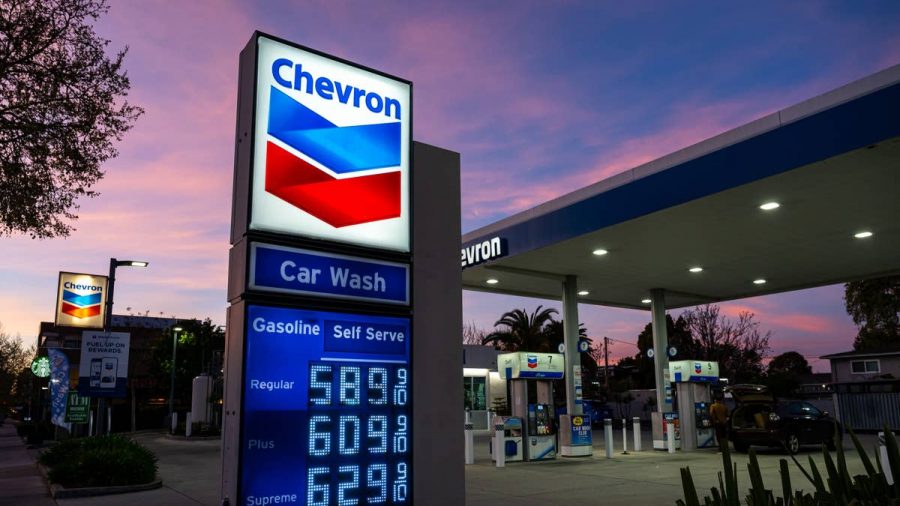
As gas prices continue to climb, oil executives have issued a clear and unambiguous message to the American public: brace yourselves for higher costs. This announcement comes at a time when consumers are feeling the financial pinch at the pump, with many expressing frustration over escalating prices that show no signs of abating.
Current State of Gas Prices
In recent weeks, the average price of gasoline has surged, leaving many Americans questioning the reasons behind this increase. According to industry reports, the national average price for a gallon of regular unleaded gasoline has risen significantly, with some regions experiencing prices upwards of $5 per gallon. The upward pressure on prices can be attributed to several factors including supply chain disruptions, geopolitical tensions, and increasing demand as the economy continues to recover from the pandemic.
Factors Influencing Rising Costs
Executives from major oil companies have cited multiple reasons for the rising gas prices, which have left consumers scrambling for solutions. Here are some of the key factors that are contributing to this trend:
- Supply Chain Disruptions: Ongoing supply chain issues continue to impact the oil industry, resulting in delays and increased costs for refining and distribution.
- Geopolitical Tensions: Heightened tensions in oil-producing regions, particularly in the Middle East, have led to uncertainty in the market, causing prices to spike.
- Increased Demand: As the economy rebounds, the demand for gasoline has surged, leading to higher prices at the pump.
- Regulatory Changes: New regulations and policies aimed at reducing carbon emissions have led to increased operational costs for oil companies, which are often passed on to consumers.
Industry Response and Consumer Impact
The oil executives’ message has resonated with many consumers who are feeling the financial strain. With rising costs affecting their daily lives, Americans are beginning to adjust their driving habits, looking for alternative modes of transportation, or even considering electric vehicles as a long-term solution.
A Call for Understanding
In their statements, oil executives have urged the public to understand the complexities of the oil market. They emphasize that while they are aware of the financial burden on consumers, the factors influencing gas prices are often beyond their control. “We are committed to providing energy solutions, but the market dynamics are challenging,” said one executive during a recent press conference.
Looking Ahead: What Consumers Can Expect
As winter approaches, consumers may face further challenges at the pump. Analysts predict that prices could continue to rise as demand increases and supply constraints persist. With many Americans gearing up for holiday travel, the prospect of higher gas prices looms large.
Advice for Consumers
In light of these developments, experts recommend that consumers take proactive steps to mitigate the impact of rising gas prices. Here are some strategies:
- Plan Trips Wisely: Combine errands and plan routes to minimize driving distance.
- Monitor Prices: Use apps and websites to track gas prices and find the best deals in your area.
- Consider Carpooling: Share rides with friends or colleagues to reduce overall fuel costs.
- Explore Alternatives: Investigate public transportation options or consider investing in an electric or hybrid vehicle.
In conclusion, the message from oil executives is clear: consumers need to prepare for higher gas prices in the foreseeable future. As the market continues to fluctuate, staying informed and adapting to the changing landscape will be essential for American drivers.