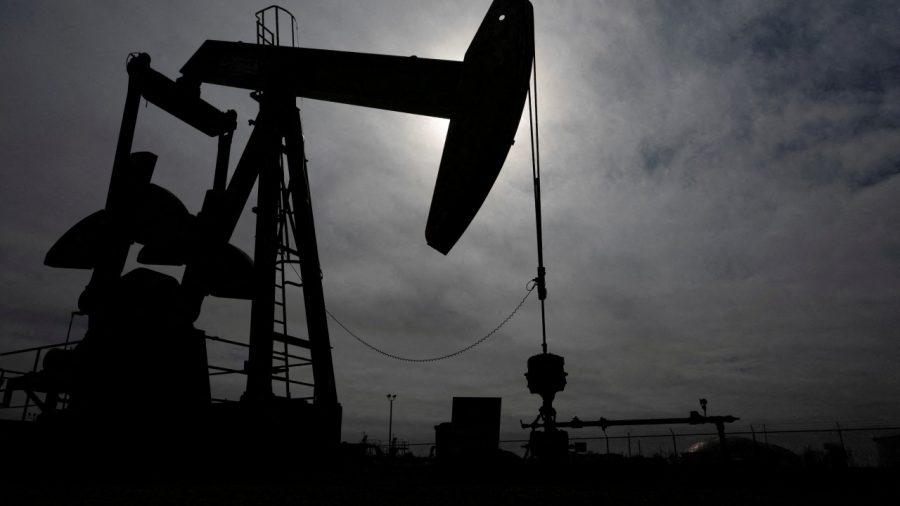
Oil Prices Dip Amid Positive Developments in U.S.-Iran Negotiations
In a surprising twist in the volatile oil market, prices have taken a downward turn following reports of progress in peace talks between the United States and Iran. Mediators from Qatar and Pakistan announced that both nations have agreed on a roadmap aimed at achieving a final deal within the next 60 days, raising hopes for a more stable geopolitical climate.
Market Reaction to Diplomatic Advances
The announcement has sent shockwaves through the oil markets, leading to a notable decline in prices. Analysts suggest that the potential easing of tensions between the two nations could lead to a resumption of Iranian oil exports, which have been largely curtailed due to years of sanctions. This prospect has investors reevaluating their positions and projecting a future where oil supply could exceed demand.
Understanding the Context of U.S.-Iran Relations
The relationship between the U.S. and Iran has been fraught with tension for decades, particularly after the U.S. withdrew from the Joint Comprehensive Plan of Action (JCPOA) in 2018. Since then, Iran has faced stringent economic sanctions, significantly impacting its oil production capabilities. The recent dialogue, facilitated by Qatar and Pakistan, marks a potential thaw in relations, which could have substantial implications for global oil markets.
Impacts on Global Oil Supply
With Iran’s oil production capacity estimated to be around 4 million barrels per day, the resumption of its exports could drastically alter the current oil supply landscape. Traders are closely monitoring these developments, as an increase in supplies could lead to lower prices globally. The current market dynamics, characterized by fluctuating demand due to economic uncertainties, make any potential increase in supply particularly significant.
Market Experts Weigh In
Market analysts are divided on the long-term implications of this diplomatic breakthrough. Some experts predict that if a final agreement is reached, it could lead to a substantial decrease in oil prices, providing relief to consumers and businesses alike. Others caution that the situation remains fluid, and various geopolitical factors could still derail the negotiations.
- Potential for Increased Exports: If an agreement is reached, Iranian oil could flood back into the market, pushing prices down.
- Volatility in the Market: Despite the optimism, geopolitical tensions can quickly escalate, leading to sudden price spikes.
- Investor Sentiment: Traders are adjusting their strategies based on the evolving landscape, indicating a cautious optimism.
Conclusion: A New Chapter in U.S.-Iran Relations?
The recent developments in U.S.-Iran negotiations could signal a pivotal moment for both nations and the global oil market. As the world watches closely, the next 60 days will be crucial in determining whether a final deal can be struck. For now, oil prices remain under pressure, but the potential for a more stable geopolitical environment could ultimately lead to a more balanced market.