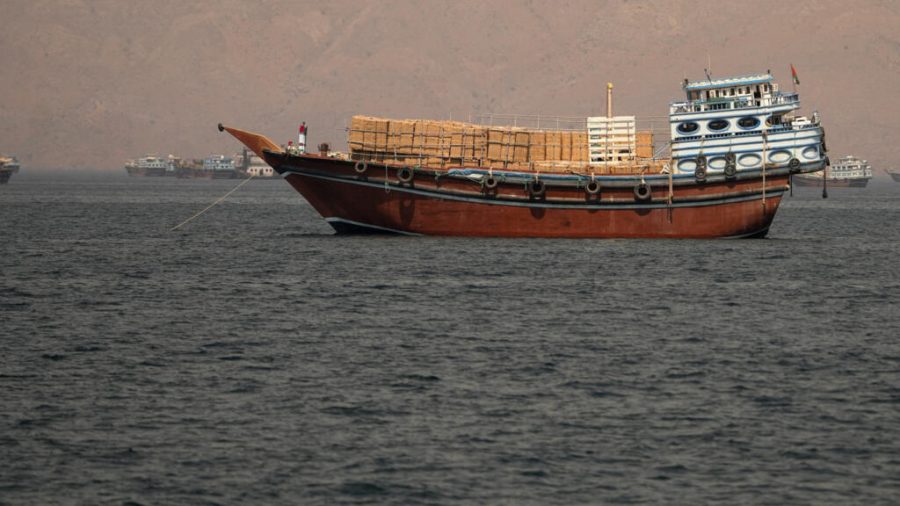
Oman Unveils Temporary Maritime Corridor to Enhance Strait of Hormuz Navigation
In a significant move to bolster maritime safety and navigation in one of the world’s most crucial shipping lanes, Oman has announced the establishment of a temporary maritime corridor through the Strait of Hormuz. This initiative was coordinated with the International Maritime Organization (IMO) and aims to facilitate the safe transit of vessels amid heightened tensions in the region.
A Response to Growing Maritime Challenges
The Strait of Hormuz, a narrow waterway that connects the Persian Gulf to the Gulf of Oman, is a vital passage for oil and gas shipments, making it one of the most strategically important maritime routes globally. Approximately 20% of the world’s oil passes through this strait, underscoring the necessity of security and stable navigation in the area. In recent months, geopolitical tensions have escalated, prompting Oman to take proactive measures to ensure the safety of maritime operations.
Details of the Maritime Corridor
The temporary maritime corridor is designed to provide a designated route for vessels navigating through the Strait of Hormuz. According to Oman’s state news agency, the initiative will involve strict guidelines and protocols that vessels must adhere to while transiting the corridor. This coordinated effort with the IMO reflects Oman’s commitment to maintaining maritime security and safeguarding international trade.
- Safety Protocols: Vessels will be required to follow specific safety protocols to minimize risks during their passage.
- Monitoring Systems: Enhanced monitoring systems will be implemented to oversee vessel movement within the corridor.
- International Collaboration: Oman’s collaboration with the IMO emphasizes the importance of international cooperation in maritime safety.
Implications for Global Trade
The establishment of this corridor is expected to have significant implications for global trade, particularly for oil-exporting countries that rely on the Strait of Hormuz for their shipments. With the ongoing volatility in the region, securing safe passage through this critical waterway is essential for minimizing disruptions to global supply chains.
Experts predict that the temporary corridor will not only enhance safety for commercial vessels but also reassure shipping companies that have been wary of transiting the strait due to recent incidents involving maritime security threats. As tensions persist in the Middle East, such measures are crucial for restoring confidence among maritime operators and ensuring the uninterrupted flow of goods.
Regional Reactions and Future Prospects
The announcement has been met with a mixed response from neighboring countries and international stakeholders. While some view Oman’s initiative as a positive step towards stabilizing the region, others remain skeptical, citing the ongoing geopolitical tensions that could undermine such efforts.
Oman’s strategic position and its historical role as a mediator in regional conflicts place it in a unique position to facilitate dialogue and cooperation among various stakeholders. As the situation evolves, the success of the maritime corridor will depend on the collective commitment of nations to uphold maritime law and ensure the safety of international shipping.
Conclusion
As the global community watches closely, the temporary maritime corridor established by Oman in coordination with the IMO represents a critical step in addressing the challenges faced by vessels transiting the Strait of Hormuz. It highlights the importance of international collaboration in ensuring maritime safety and the smooth flow of trade in one of the world’s most significant shipping lanes.