Oman’s Commitment to Peace in the Middle East
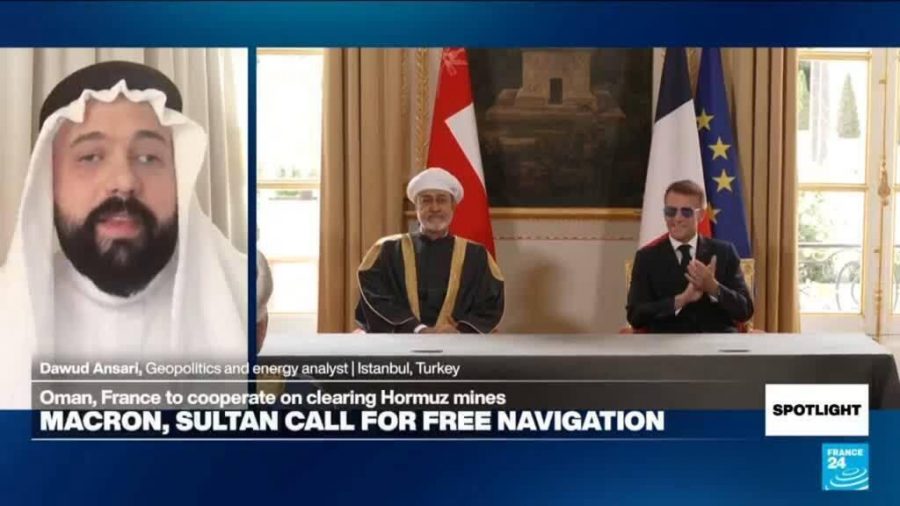
As the geopolitical landscape in the Middle East grows increasingly complex, Oman stands out as a beacon of pragmatic diplomacy. Recent discussions between French President Emmanuel Macron and Sultan Haitham bin Tariq of Oman highlight the Sultanate’s commitment to de-escalation and peace in the region. In an exclusive interview, geopolitics and energy analyst Dawud Al Ansari sheds light on Oman’s unique position and its growing importance in regional diplomacy.
The Context of Current Tensions
The Middle East has long been a hotbed of military tensions, punctuated by a series of conflicts that threaten regional stability. With the rise of various militant groups and ongoing disputes among neighboring nations, the need for effective diplomatic solutions has never been more pressing. In this context, Oman has carved out a niche as a mediator, using its historical relationships and neutral stance to facilitate dialogue.
Oman’s Diplomatic Strategy
Al Ansari notes that Oman’s foreign policy is built on a foundation of neutrality and respect for all parties involved. This approach allows the Sultanate to engage with a diverse array of nations, from Iran to Saudi Arabia, without being perceived as taking sides. “Oman has always been a country that believes in dialogue over confrontation,” Al Ansari explains. “Its strategic location and diplomatic ties enable it to act as a bridge between conflicting parties.”
The Role of Recent Meetings
The recent meeting between Macron and Sultan Haitham is emblematic of Oman’s growing role on the world stage. During their discussions, the leaders focused on collaborative efforts to promote peace and stability in the region. Al Ansari emphasizes that such high-level dialogues are crucial, stating, “France recognizes Oman’s strategic importance in the Gulf, and these discussions symbolize a collective desire for de-escalation.”
Challenges Ahead
Despite Oman’s efforts, the challenges it faces are formidable. The landscape is fraught with complex rivalries and entrenched positions among nations. Al Ansari points out that while Oman can facilitate discussions, the resolution of longstanding disputes requires commitment from all parties. “Oman can provide a platform for dialogue, but ultimately, the willingness to compromise lies with the conflicting nations themselves,” he asserts.
Looking Forward
As Oman continues to navigate the treacherous waters of Middle Eastern politics, its role as a mediator is likely to grow. Al Ansari believes that the Sultanate’s commitment to peace will not only benefit its own national interests but also contribute to regional stability. “Oman’s vision for a peaceful Gulf is not just idealistic; it is essential for the future of the region,” he concludes.
Conclusion
In a world where military tensions often overshadow diplomatic efforts, Oman’s pragmatic approach serves as a reminder of the power of dialogue. As the international community watches closely, the Sultanate’s actions may well shape the future of peace in the Middle East.