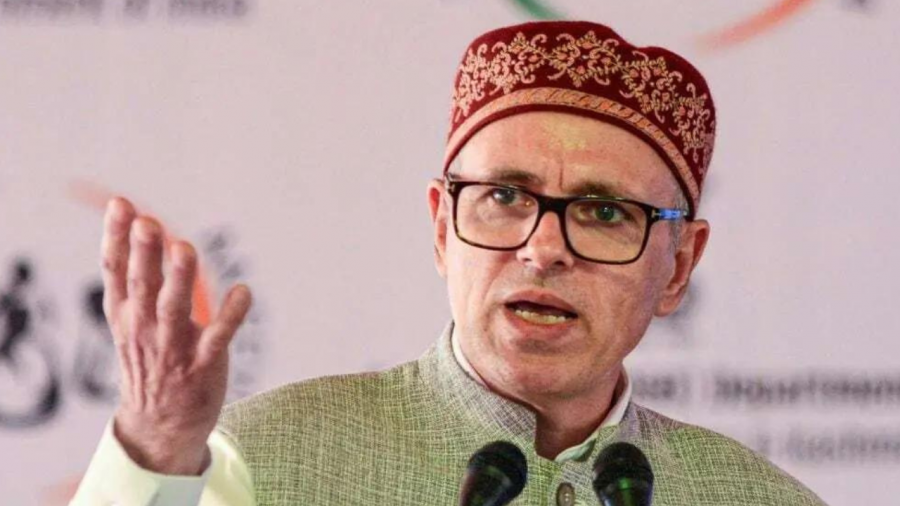
Omar Abdullah Addresses Controversy Over Urdu Language in Revenue Jobs
Jammu and Kashmir Chief Minister Omar Abdullah has firmly refuted allegations concerning the potential removal of the Urdu language from revenue jobs in the region. The claims, primarily propagated by the People’s Democratic Party (PDP), have sparked significant debate and concern among the public and various stakeholders.
Clarification on the Proposal
In a recent statement, Abdullah clarified that the discussion surrounding the Urdu language is merely a proposal currently open for public feedback. He emphasized that there has been no final decision made regarding this matter. “There is no order to drop Urdu from revenue jobs; what exists is a proposal that is still under consideration,” he asserted.
Challenge to PDP’s Claims
Omar Abdullah did not shy away from challenging the PDP on their claims. He urged the opposition party to produce any official order that supports their assertions, accusing them of misrepresenting the situation to incite fear and misinformation among the public. “If they have a document that confirms their allegations, I challenge them to present it,” he said.
Public Sentiment and Political Implications
The role of Urdu in Jammu and Kashmir’s administrative processes has long been a topic of discussion. As one of the native languages of the region, Urdu holds cultural and historical significance. The suggestion of its removal from revenue jobs, albeit still in the proposal stage, has raised alarms among Urdu speakers and advocates of preserving linguistic diversity.
This controversy comes at a time of heightened political sensitivity in Jammu and Kashmir, where language and identity issues often intersect with broader governance and regional autonomy debates. Abdullah’s statements aim to reassure the public that their language and identity will remain protected under his administration.
Reactions from Various Stakeholders
Various stakeholders, including educators, language advocates, and political analysts, have weighed in on the issue. Many have expressed concern that removing Urdu could marginalize a significant portion of the population and could lead to further alienation in a region already grappling with its identity. Others argue that any changes to language policies should prioritize inclusivity and respect for all linguistic communities.
- Educators: Many educators have called for the preservation of Urdu in schools and administrative practices, citing its importance in the cultural fabric of the region.
- Political Analysts: Analysts suggest that the PDP’s strategy may be an attempt to capitalize on public sentiment against the ruling party by framing it as an attack on cultural identity.
- Community Leaders: Community leaders have urged for a more transparent dialogue regarding language policies, advocating for community involvement in decision-making processes.
Conclusion
As the debate continues, it remains to be seen how the proposal will unfold and what implications it will have for the future of Urdu in Jammu and Kashmir. Abdullah’s strong rebuttal of the PDP’s claims serves as a reminder of the delicate balance that must be maintained in matters of language and identity in the region.