Tragic Toll of Myanmar’s Civil War: A Deepening Crisis
Since the military coup in February 2021 that toppled Myanmar’s democratically elected government, the nation has spiraled into a devastating civil conflict. A recent report by the Armed Conflict Location & Event Data (ACLED) has revealed that over 100,000 lives have been lost in the turmoil, underscoring the severity of the humanitarian crisis that continues to unfold.
The Circumstances of the Coup
The coup was executed by the Myanmar military, known as the Tatmadaw, which seized power just hours before the newly elected parliament was set to convene. The military justified its actions by claiming widespread electoral fraud in the November 2020 elections, in which Aung San Suu Kyi’s National League for Democracy (NLD) party secured a landslide victory. The coup sparked widespread protests and a robust civil disobedience movement, which were met with violent crackdowns by the military.
Rising Casualties: A Grim Milestone
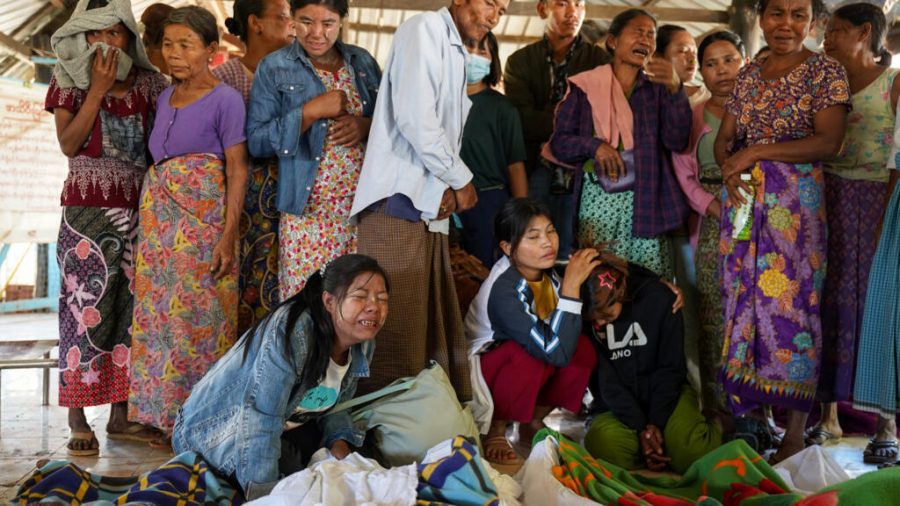
According to ACLED’s report, a staggering 100,114 people have been killed since the coup, marking a grim milestone in Myanmar’s history. The report highlights that the violence has escalated as resistance groups and ethnic armed organizations have intensified their opposition to the military junta, leading to a full-scale civil war. The figures are a stark reminder of the human cost of the ongoing conflict, which has displaced millions and caused widespread suffering.
Impact on Civilians
The civilian population bears the brunt of this conflict, with countless families torn apart and communities shattered. The UN has described the situation in Myanmar as one of the world’s most pressing humanitarian crises, with millions in need of assistance. Access to basic necessities such as food, shelter, and medical care has become increasingly difficult, as the military’s control over resources has tightened.
International Response
The international community has reacted with condemnation, with numerous countries imposing sanctions on Myanmar’s military leaders. However, efforts to restore democracy have largely stalled, as the military regime remains resolute in its grip on power. The Association of Southeast Asian Nations (ASEAN) has also struggled to mediate the situation, with its peace initiatives yielding minimal results.
The Future of Myanmar
As the conflict continues, the future of Myanmar remains uncertain. The resilience of the pro-democracy movement is being tested, as it faces not only the might of the military but also the challenges of disunity and limited resources. Analysts warn that unless there is a decisive intervention from the international community, the cycle of violence may persist, leading to even greater loss of life and further destabilization of the region.
Conclusion
The report from ACLED serves as a clarion call for the world to pay attention to the situation in Myanmar. The staggering loss of life is not just a statistic; it represents the profound human suffering that has ensued since the military seized power. As the crisis deepens, the hope for a peaceful resolution and restoration of democracy hangs by a thread, underscoring the urgent need for global action to avert further tragedy.