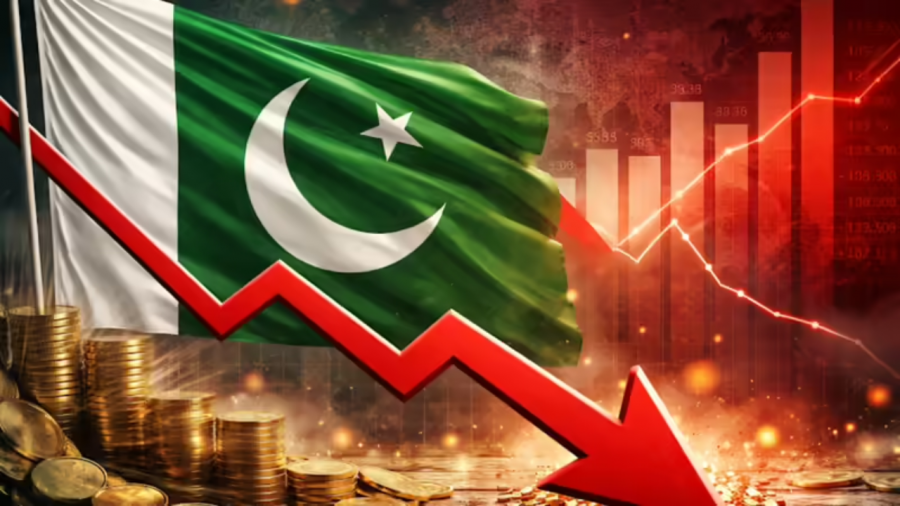
Pakistan’s Economic Struggles Intensify Amid Rising Oil Prices
Pakistan is grappling with significant economic challenges, driven largely by soaring global oil prices and ongoing instability in the Middle East. With inflation expected to reach double digits, the country faces a precarious financial landscape that threatens its growth and stability.
The Impact of Rising Oil Prices
As global oil prices continue to rise, Pakistan is feeling the pinch more than ever. The surge in energy costs is a direct result of geopolitical tensions that have escalated in the Middle East, forcing many countries to reassess their energy strategies. For Pakistan, which relies heavily on oil imports, this means increased expenses that ultimately translate to higher prices for consumers.
- Inflation Rates: Current inflation rates are projected to near 11%, a concerning figure for a nation already struggling with economic growth.
- Energy Costs: The rising costs of energy are pushing up transportation and manufacturing expenses, further straining the economy.
- Current Account Deficit: Analysts predict that the widening current account deficit will exacerbate the country’s financial woes.
Consequences for GDP Growth
Economists warn that the combination of rising inflation and energy costs is likely to slow down Pakistan’s GDP growth. The country had already been experiencing sluggish economic performance in recent years, and the current crisis could further impede recovery efforts. With a growing population and increasing demand for resources, the government faces a daunting task in managing economic stability.
Effects on the Stock Market and Currency
The repercussions of these economic pressures are already evident in Pakistan’s stock market, which has shown signs of volatility in response to the changing economic landscape. Investors are becoming increasingly cautious, leading to fluctuations that may deter foreign investment. Additionally, the Pakistani rupee is under pressure, as the rising costs of imports coupled with a growing trade deficit affect its value.
Government Response and Future Outlook
The Pakistani government has recognized the urgency of addressing these challenges but faces limitations in its response. Policy measures aimed at stabilizing the economy, such as subsidies for energy costs or adjustments in interest rates, may be necessary, but implementing such changes can be politically sensitive.
Moreover, the ongoing geopolitical tensions in the Middle East present an unpredictable variable that complicates any economic recovery plan. As countries navigate the complexities of international energy markets, Pakistan must also consider its domestic policies, which could either mitigate or exacerbate the economic strain.
Conclusion
In conclusion, Pakistan stands at a crossroads as it faces mounting economic pressures due to rising oil prices and regional instability. The likely persistence of double-digit inflation poses a significant challenge to the country’s growth trajectory, impacting everything from the stock market to the value of its currency. With careful management and strategic policy implementation, there may be a pathway to stability, but the road ahead remains fraught with challenges.