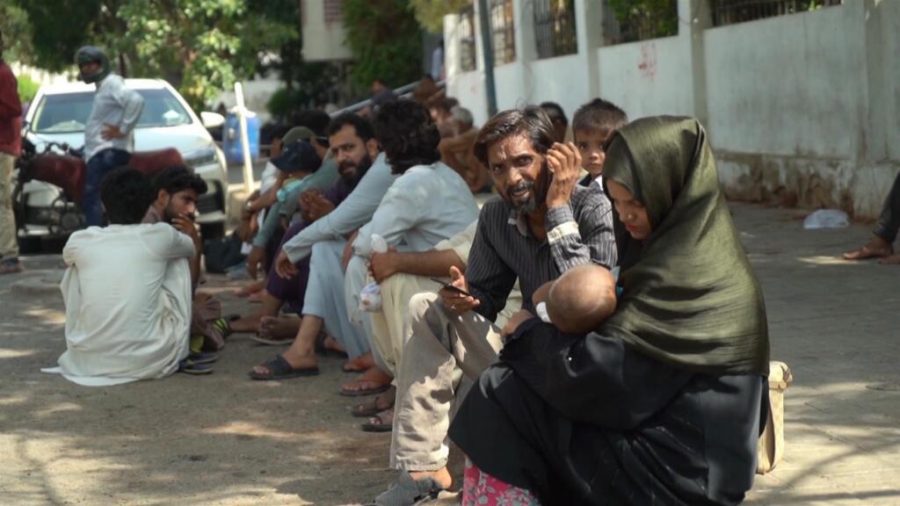
Pakistan is facing one of its greatest challenges in controlling its rapidly growing population, with more than 258 million inhabitants, making it the fifth most populous country in the world. By 2030, its population could surpass 300 million, pushing Pakistan into fourth place globally, ahead of Indonesia.
The Demographic Crisis
This rapid demographic growth is far outpacing the country’s capacity for socio-economic development and infrastructure expansion. In several key social sectors, Pakistan continues to lag behind neighboring India and Bangladesh, which have made significant strides in recent years.
Contraception: A Taboo Topic
Contraception remains largely taboo in a society shaped by strong traditional values, where it is sometimes viewed as religiously forbidden. A report by Shahzaib Wahlah and Ondine de Gaulle, in collaboration with Hameer M, highlights the challenges faced by the country in addressing its population crisis.
Socio-Economic Implications
The rapid population growth has significant socio-economic implications, including increased pressure on resources such as water, food, and housing. The country’s infrastructure is struggling to keep up with the growing demand, leading to issues such as power outages, traffic congestion, and inadequate healthcare facilities.
Key Challenges
Some of the key challenges facing Pakistan include:
- Limited Access to Family Planning Services: Many people, especially in rural areas, lack access to family planning services, making it difficult for them to make informed choices about their reproductive health.
- Lack of Education and Awareness: There is a lack of education and awareness about the importance of family planning and the use of contraceptives, which perpetuates the taboo surrounding the topic.
- Traditional Values and Social Norms: Strong traditional values and social norms often discourage the use of contraceptives, making it difficult for people to discuss the topic openly.
A Way Forward
To address its population crisis, Pakistan needs to take a multi-faceted approach that includes increasing access to family planning services, educating people about the importance of family planning, and challenging traditional values and social norms that perpetuate the taboo surrounding contraceptives.
By doing so, Pakistan can work towards achieving sustainable socio-economic development and improving the lives of its citizens.