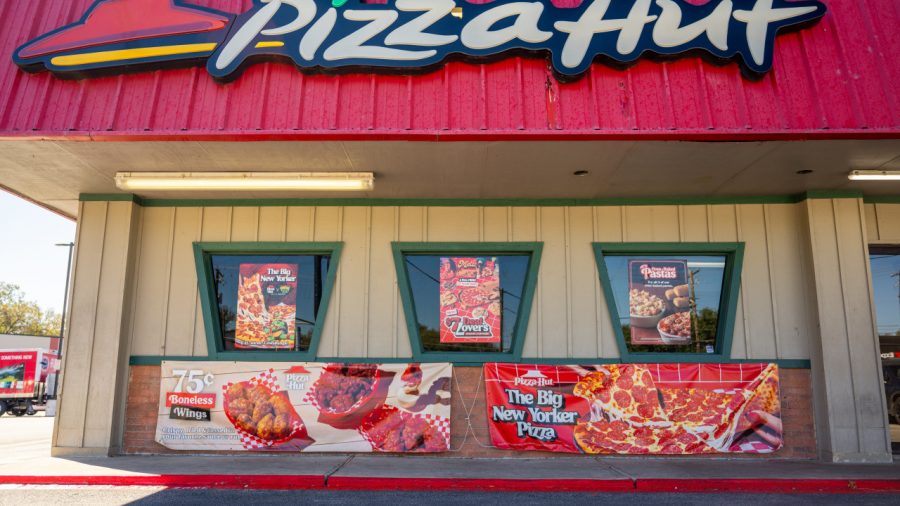
Diners Aren’t as Into Pizza, But Private Equity Is
In a significant move that underscores the evolving dynamics of the food industry, private equity firm LongRange Capital has announced its acquisition of Pizza Hut’s operations outside mainland China for approximately $1.5 billion. This transaction not only highlights the shifting interests of investors but also raises questions about the future of one of America’s beloved dining staples.
Background on the Deal
LongRange Capital’s acquisition is part of a broader strategy to consolidate and revitalize restaurant brands that have seen fluctuating consumer interest. Amidst a declining trend in pizza consumption in certain markets, the sale of Pizza Hut’s international operations marks a pivotal moment for both the brand and the private equity firm.
Changing Consumer Preferences
In recent years, consumer preferences have shifted dramatically. While pizza remains a popular choice for many, the rise of health-conscious dining and alternative food options has led to a decline in traditional fast-food consumption, including pizza. According to market analysts, younger consumers are increasingly gravitating towards healthier, artisanal, and gourmet alternatives, leaving traditional chains like Pizza Hut to adapt or risk falling behind.
The Implications of the Acquisition
The acquisition by LongRange Capital may signal a new direction for Pizza Hut. With a focus on operational efficiency and brand rejuvenation, the firm plans to invest in innovative strategies to attract a new generation of diners. This could include modernizing restaurant layouts, enhancing delivery services, and introducing new menu items that cater to evolving tastes.
“This acquisition presents a unique opportunity to breathe new life into a well-known brand,” said a spokesperson for LongRange Capital. “We believe that with the right investment and marketing strategy, we can reinvigorate interest in Pizza Hut on an international scale.”
What This Means for Diners
For consumers, the sale raises several questions. Will Pizza Hut’s menu expand to include healthier options? How will the dining experience change in the wake of new ownership? As the brand undergoes this transition, diners may see a mix of traditional offerings alongside innovative new products aimed at meeting contemporary dietary preferences.
Industry Reactions
The food industry is abuzz with reactions to the news. Analysts suggest that this acquisition could lead to a revitalization of the brand, prompting other chains to consider similar moves to attract a changing demographic. “This is a wake-up call for other companies in the fast-food space,” noted industry expert Sarah Thompson. “Adapting to consumer preferences is no longer optional; it’s a necessity for survival.”
Looking Ahead
As LongRange Capital takes the helm of Pizza Hut’s international operations, the future of this iconic brand hangs in the balance. Will they successfully navigate the challenges of changing consumer preferences, or will Pizza Hut continue to struggle in a competitive landscape? Only time will tell.
In conclusion, while diners may be shifting their interests away from traditional pizza offerings, the acquisition of Pizza Hut by LongRange Capital signals a strong vote of confidence from private equity in the brand’s potential for revitalization. As industry dynamics continue to evolve, all eyes will be on how this classic brand adapts to meet the needs of the modern consumer.