In the face of an ever-changing climate, survival often hinges on adaptability. For certain plants, an extraordinary genetic trait may hold the key to enduring cataclysmic environmental changes: the possession of extra sets of chromosomes.
What Are Polyploid Plants?
These genetic marvels, known as polyploid plants, have more than the usual two sets of chromosomes found in most species. While humans and many animals are diploid, meaning they inherit one set of chromosomes from each parent, polyploid plants can have three, four, or even more sets of chromosomes. This unique genetic setup is not just a quirk of evolution—it’s a potential survival toolkit.
The Evolutionary Edge of Extra Chromosomes
Polyploidy can occur naturally through errors in cell division or hybridization between species. While this may sound like a genetic mishap, it frequently provides distinct advantages. The additional chromosomes often contribute to greater genetic diversity, which can enhance a plant’s ability to adapt to stressful environments, resist diseases, and even improve its reproductive success.
In a world facing the escalating threats of climate change, these traits are more relevant than ever. As temperatures rise, weather patterns shift, and ecosystems change, polyploid plants may be better equipped to cope with the challenges ahead.
Why Polyploidy Matters in the Age of Climate Change
Climate change is driving extreme environmental shifts, including prolonged droughts, rising temperatures, and more frequent natural disasters. For many plants, these conditions are proving to be insurmountable barriers to survival. However, polyploid plants are showing remarkable resilience in the face of these challenges.
One reason for this resilience is the genetic redundancy provided by their extra chromosomes. If one set of genes is damaged by environmental stressors, another set can often compensate. This built-in backup system allows polyploid plants to maintain essential functions, even under duress.
Examples of Polyploid Plants
Some of the world’s most iconic and agriculturally significant plants are polyploid. These include:
- Wheat: A staple crop for billions of people, wheat’s polyploid nature contributes to its adaptability and productivity.
- Strawberries: The luscious fruit we enjoy is a result of polyploidy, which enhances both size and flavor.
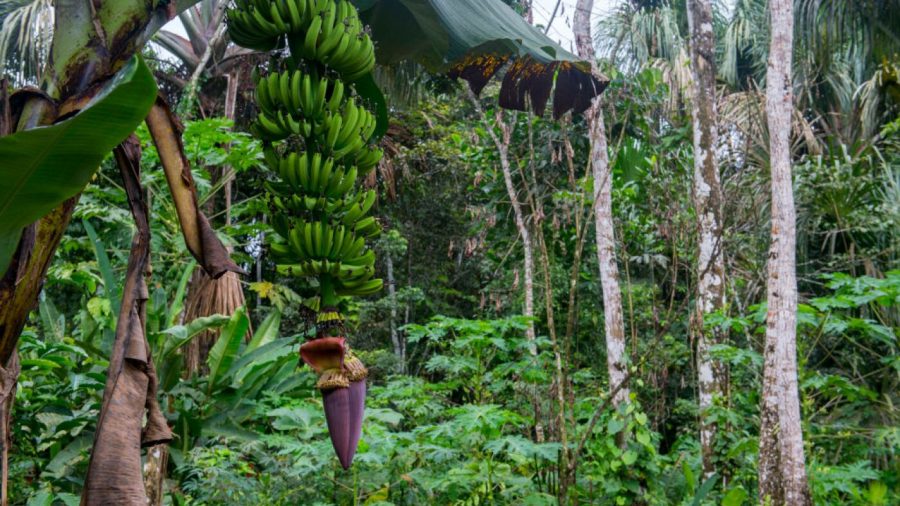
- Bananas: A favorite snack worldwide, bananas owe their seedless nature and delicious taste to their polyploid genetics.
These examples underline the vital role polyploid plants play in human agriculture and food security, particularly in a warming world.
Unlocking the Potential of Polyploidy
Scientists are increasingly looking to polyploid plants for clues about how to engineer more resilient crops. By studying their genomes, researchers hope to identify traits that can be introduced into other plants, potentially creating new varieties capable of thriving in extreme conditions.
Moreover, understanding the mechanisms behind polyploidy could open doors to advancements in genetic engineering and conservation. This research might allow us to develop crops that can withstand the challenges of the future, from rising temperatures to dwindling water supplies.
A Genetic Superpower for Survival
Polyploidy may not be a household term, but its impact on our planet and its ecosystems is profound. As climate change accelerates, these genetic superplants could play a crucial role in sustaining life on Earth. Whether through natural adaptation or scientific innovation, the lessons we learn from polyploid plants may guide us toward a more resilient and sustainable future.