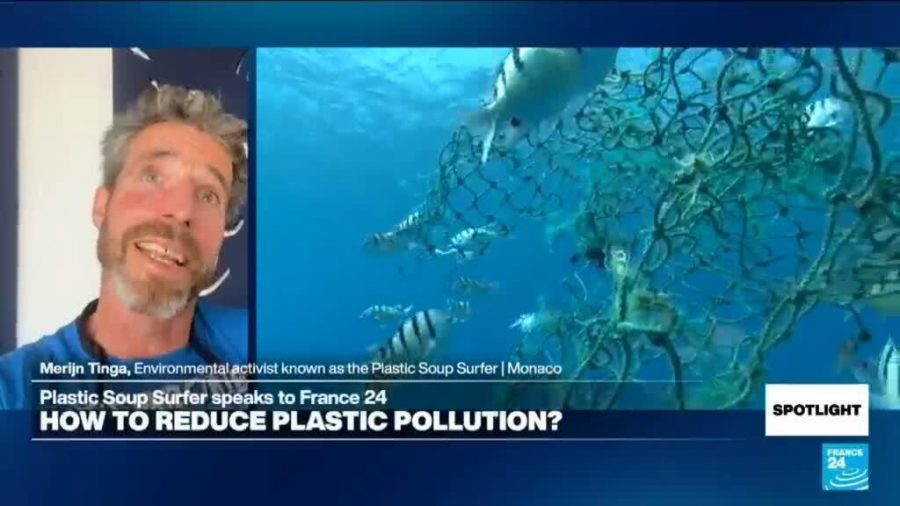
The Alarming Rise of Plastic Pollution: A Threat to Human Health
Plastic pollution has become a ubiquitous problem, with far-reaching consequences for the environment and human health. From the oceans to our bodies, the impact of plastic pollution is a growing concern, with recent studies suggesting a link between plastic pollution and obesity, as well as dementia. To shed light on this critical issue, we spoke with Merijn Tinga, a biologist, artist, and activist, affectionately known as the Plastic Soup Surfer.
A Life on the Water
Merijn Tinga spends hours a day on the water, experiencing firsthand the forces that shape our planet. As a surfer, he has a unique perspective on the natural world, one that is both intimate and expansive. “You become one with the wind, with the waves… you have one focus,” he says, describing the meditative state that comes with riding the waves. And yet, when he returns to land, he is struck by the stark contrast between the beauty of nature and the ugliness of human waste. “You’re immersed by this throwaway culture,” he notes, highlighting the pervasive problem of plastic pollution.
The Science of Plastic Pollution
As a biologist, Merijn Tinga is well-versed in the science of plastic pollution. He explains that plastic pollution is not just an environmental issue, but a human health concern as well. “We’re ingesting plastic, we’re breathing plastic, and it’s having a profound impact on our bodies,” he warns. The evidence is mounting, with studies suggesting that plastic pollution is associated with a range of health problems, including obesity and dementia.
- Microplastics in the food chain: Plastic particles have been found in everything from seafood to salt, highlighting the alarming extent of plastic pollution in our food chain.
- Chemical contamination: Plastic pollution is not just about plastic particles, but also the chemicals that leach from them, including toxic substances like bisphenol A (BPA) and phthalates.
- Human health impacts: The health impacts of plastic pollution are still being studied, but the evidence suggests that exposure to plastic pollution is linked to a range of health problems, from reproductive issues to cancer.
A Call to Action
So what can we do to address the plastic pollution crisis? Merijn Tinga argues that individual actions, such as reducing plastic use and recycling, are important, but that we need to think bigger. “We need to challenge the system, we need to challenge the corporations that are driving this throwaway culture,” he says. This requires a fundamental shift in the way we think about consumption and waste, as well as a willingness to hold accountable those responsible for the plastic pollution crisis.