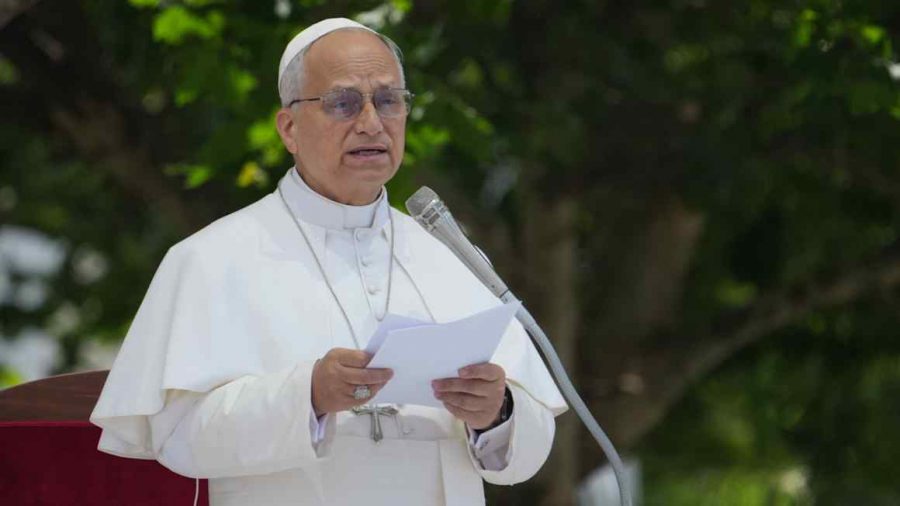
Pope Leo has issued a stark warning about the unchecked development of artificial intelligence (AI), calling for global efforts to ensure the burgeoning technology is guided by ethics and not by ‘the idolatry of profit.’ Speaking at a special Vatican conference on technological ethics, the pontiff addressed an audience of global leaders, tech innovators, and religious scholars, emphasizing the need for humanity to ‘disarm’ AI before it undermines the moral and social fabric of society.
Pontiff Raises Alarm on AI Risks
In his address, Pope Leo expressed grave concerns about the rapid pace of AI advancements, particularly in areas like autonomous weaponry, data manipulation, and surveillance. He warned that without strict ethical safeguards, AI could exacerbate inequality, erode human dignity, and foster a culture of exploitation. ‘We must not allow technology to dictate human values. Instead, it must serve the common good and uphold the sanctity of life,’ he said.
A Call for Global Collaboration
The pontiff urged global leaders to come together to create a unified framework for AI governance. He emphasized the importance of prioritizing the welfare of humanity over financial gain, a sentiment he described as counteracting the ‘idolatry of profit.’ Pope Leo suggested that without international collaboration, the world risks plunging into a dystopian future where technological advancements outstrip moral development.
Key Issues Highlighted by Pope Leo
- Autonomous Weaponry: The pontiff called for an immediate ban on AI-driven weapons, highlighting their potential to cause indiscriminate harm and destabilize global peace.
- Data Privacy: He pointed out the growing concerns about the misuse of personal data, urging companies to prioritize user privacy over profits.
- Economic Inequality: Pope Leo cautioned that AI could widen the gap between the rich and the poor, leaving vulnerable populations even further behind.
‘We are at a crossroads,’ Pope Leo said, ‘and the choices we make today will shape the world for generations to come.’
A Moral Imperative
The pope’s statement reflects a broader movement within the Catholic Church to engage with modern challenges while advocating for moral accountability and social justice. Faith leaders, scientists, and policymakers are increasingly joining forces to address the ethical dilemmas posed by AI, recognizing the far-reaching implications of this transformative technology.
As the world grapples with the promises and perils of artificial intelligence, Pope Leo’s call to ‘disarm’ AI serves as a sobering reminder of the moral responsibility that accompanies technological progress. His message underscores the need for vigilance, compassion, and collective action to ensure that innovation remains a force for good.