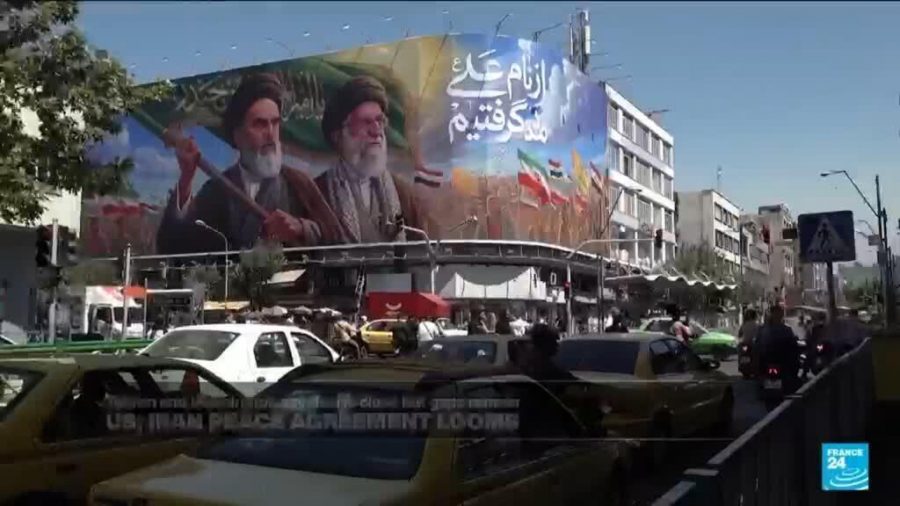
Prospects for a US-Iran Peace Deal: A Historic Moment on the Horizon
In a significant development in international relations, Pakistani Prime Minister Shehbaz Sharif has announced that a peace deal aimed at ending the ongoing conflict between the United States and Iran is closer than ever before. During a press conference, Sharif expressed optimism that the agreement could be finalized within the next 24 hours, marking a potential turning point in decades of tension between the two nations.
Pakistan’s Role as Mediator
Pakistan has emerged as a crucial mediator in the negotiations, leveraging its historical ties with both the United States and Iran to facilitate dialogue. The prime minister indicated that preparations were underway for the electronic signing of the agreement, which would pave the way for subsequent technical-level discussions scheduled for next week.
The Current State of US-Iran Relations
The relationship between the United States and Iran has been fraught with hostility since the 1979 Iranian Revolution. Years of sanctions, military confrontations, and diplomatic standoffs have defined the narrative, leading to a complex geopolitical landscape. However, both nations appear to be inclined toward reconciliation, driven by mutual interests in regional stability and economic revival.
Key Elements of the Proposed Agreement
While specific details of the peace deal have not been disclosed, analysts suggest that it may include provisions for easing sanctions on Iran in exchange for commitments to curtail its nuclear program and reduce support for militant groups in the region. Such a deal could not only stabilize the Middle East but also open avenues for economic cooperation and trade.
International Reactions
Global leaders are watching the unfolding situation closely. Countries in the region, particularly those in the Gulf Cooperation Council, have expressed cautious optimism, while European powers have reiterated their support for any diplomatic effort that leads to lasting peace. The United Nations has also indicated its readiness to assist in the implementation of the agreement if it comes to fruition.
Challenges Ahead
Despite the hopeful outlook, significant challenges remain. Skepticism among hardliners in both the United States and Iran could complicate the negotiation process. Additionally, the broader geopolitical dynamics, including relations with China and Russia, further complicate the scenario. Both nations must navigate these complexities to ensure that any agreement is sustainable and enforceable.
The Road Ahead
If the peace deal is finalized as anticipated, it could set a precedent for future negotiations in the region and beyond. The implications of such a development could be far-reaching, potentially leading to a new era of diplomacy and cooperation in a historically volatile area. As the world waits with bated breath, the coming days will be crucial in determining whether a lasting peace will finally be achieved.
Conclusion
In summary, the announcement from Prime Minister Shehbaz Sharif brings a glimmer of hope for peace between the United States and Iran. With both nations poised to take a significant step towards reconciliation, the international community watches closely, hopeful that the agreement will mark the beginning of a new chapter in diplomatic relations.