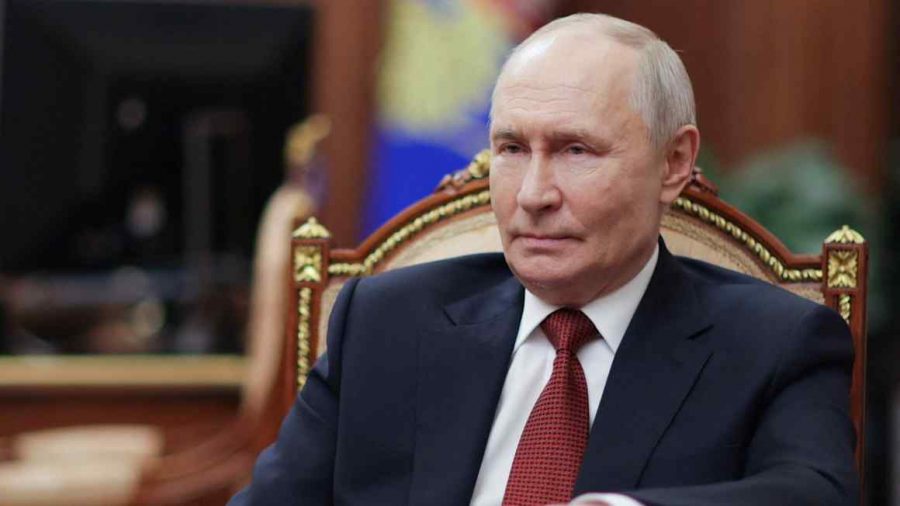
Putin Acknowledges Fuel Shortages Amidst Ukrainian Drone Attacks on Refineries
In a significant admission regarding the ongoing conflict in Ukraine, President Vladimir Putin has acknowledged that Russia is facing fuel shortages, a situation exacerbated by long-range drone strikes from Ukrainian forces targeting key oil refineries. This revelation marks the first time the Kremlin has publicly recognized the impact of Ukraine’s military capabilities on Russian production.
The Impact of Drone Warfare
Ukrainian drone attacks have significantly altered the landscape of the conflict, showcasing the effectiveness of modern warfare tactics. President Putin’s comments highlight a troubling reality for Russia as these strikes have not only damaged infrastructure but have also raised concerns about the country’s energy security amid an ongoing war.
Details of the Fuel Shortages
During a recent address, Putin pointed out that the shortages stem from both the direct impacts of the drone strikes and the international sanctions imposed on Russia. The sanctions have restricted access to vital technologies and materials necessary for oil production and refining. Putin stated, “We are working to address these challenges, but it is clear that our production capabilities have been affected.”
The Strategic Importance of Oil Refineries
Oil refineries play a crucial role in Russia’s economy, providing not only fuel for domestic use but also significant revenue from exports. The drone attacks have specifically targeted facilities in regions critical to Russia’s energy production, leading to losses that could affect both civilian life and the military’s operational capabilities.
Responses from Ukrainian Officials
Ukrainian officials have hailed the drone strikes as a successful strategy to undermine Russia’s war efforts. Military spokespersons have indicated that these operations are part of a broader effort to weaken Russia’s logistical support for its military operations in Ukraine. They view the ongoing strikes as essential to diminishing Russian aggression and enhancing Ukraine’s defensive posture.
Global Repercussions of Fuel Shortages
The implications of Russia’s fuel shortages are not confined to its borders. As one of the world’s largest oil producers, any significant disruption in Russian oil supply could have ripple effects throughout the global economy. Analysts predict that sustained shortages could lead to increased prices in international markets, compounding the existing energy crisis exacerbated by geopolitical tensions.
Public Sentiment and Economic Challenges
Within Russia, the admission of fuel shortages may lead to growing public discontent. Citizens have already been grappling with the economic fallout of the war, which includes rising prices and declining living standards. As fuel becomes scarcer, the government may face mounting pressure to address not only the logistical issues but also the broader economic implications that arise from the conflict.
The Future of the Conflict
As the war continues to evolve, both sides are likely to adapt their strategies. Russia may expedite efforts to repair damaged infrastructure and enhance its air defense systems to mitigate the threat posed by drone attacks. Ukraine, on the other hand, is expected to continue its campaign to disrupt Russian supply lines and reinforce its own defense capabilities.
Conclusion
The acknowledgment of fuel shortages by President Putin serves as a stark reminder of the ongoing impact of the conflict between Russia and Ukraine. As both nations grapple with the consequences of war, the world watches closely, aware that the outcomes will shape not only the immediate region but also the global balance of power in the coming months.