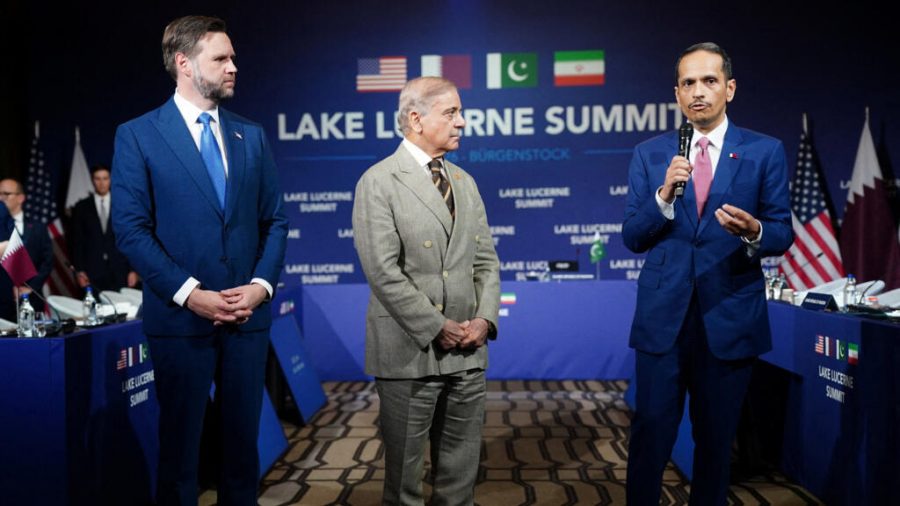
Qatar’s Commitment to US-Iran Talks
In a significant diplomatic development, Qatari Prime Minister Sheikh Mohammed bin Abdulrahman al-Thani has reinforced Qatar’s role as a mediator in the ongoing negotiations between the United States and Iran. During a crucial meeting with US envoy Steve Witkoff and Jared Kushner, former President Donald Trump’s son-in-law and key adviser, the Prime Minister expressed Qatar’s steadfast commitment to fostering dialogue aimed at resolving tensions in the Middle East.
Support for the Memorandum of Understanding
During the discussions held on Tuesday, Sheikh Mohammed emphasized Qatar’s dedication to implementing a memorandum of understanding (MoU) that seeks to end the protracted conflicts in the region. This agreement is viewed as a critical step toward achieving stability and peace, as it outlines collaborative efforts between the US and Iran to address mutual concerns.
Strategic Role of Qatar
Qatar has positioned itself as a key player in regional diplomacy, leveraging its unique relationships with both the US and Iran. The tiny Gulf nation has historically acted as a mediator in various conflicts, often serving as a backchannel for communication between adversarial parties. This latest reaffirmation of support for US-Iran talks underscores Qatar’s strategic importance in the Middle East.
The Context of US-Iran Relations
The relationship between the United States and Iran has been fraught with tension, particularly since the US withdrawal from the Joint Comprehensive Plan of Action (JCPOA) in 2018, which was aimed at curbing Iran’s nuclear program. The ensuing years have seen escalating hostilities, economic sanctions, and military confrontations, making diplomatic interventions increasingly essential.
Potential Implications of the Talks
The renewed focus on dialogue could have far-reaching implications for the region. If successful, these negotiations may pave the way for a new framework that could not only address nuclear concerns but also broader regional issues, including support for proxy groups and military engagements in neighboring countries.
Qatar’s Diplomatic Efforts
Qatar’s efforts to mediate are not limited to US-Iran relations; the nation has previously engaged in peace talks involving various stakeholders in the region, including the Taliban in Afghanistan and factions within the Palestinian territories. This track record has established Qatar as a reliable intermediary, capable of facilitating discussions that might otherwise falter.
The Role of International Community
The international community is closely monitoring these developments, as the outcome of the US-Iran negotiations could significantly influence geopolitical dynamics in the Middle East. Countries like Saudi Arabia and Israel, which view Iran as a primary threat, are particularly invested in the outcome of these talks, as they could reshape alliances and security policies in the region.
Conclusion
As Qatar continues to advocate for dialogue and understanding, the eyes of the world remain fixed on Doha. The success of these negotiations could not only redefine US-Iran relations but also contribute to a broader peace framework for the Middle East. The diplomatic endeavors spearheaded by Qatar highlight the critical role of mediation in resolving conflicts and fostering stability in a region that has long been marred by war and discord.