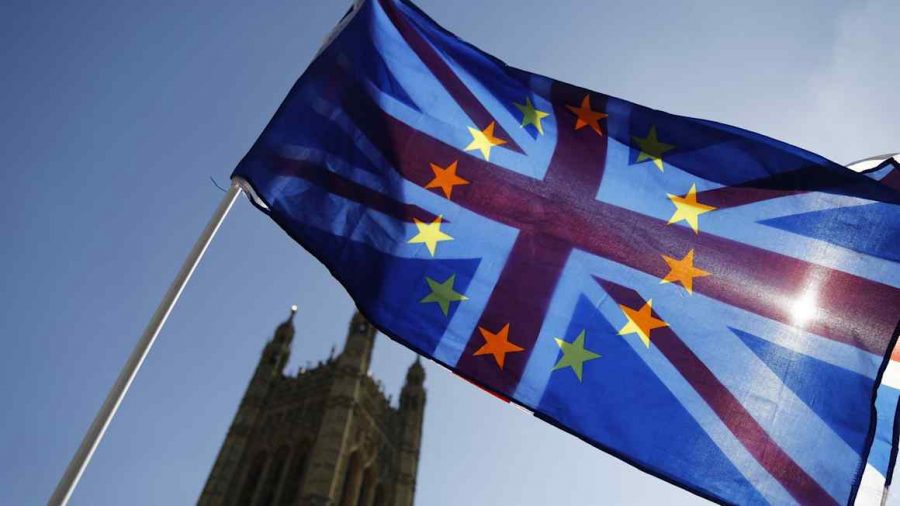
A ‘Big Bang’ Reversal of Brexit: An Unrealistic Approach
In the wake of Brexit, discussions surrounding a potential reversal have gained momentum. However, such a drastic move seems both unrealistic and unnecessary. Instead of reversing course, the UK could explore alternative models, such as Switzerland’s approach to EU relations.
The Illusions of Reversing Brexit
Many advocates for a full reversal of Brexit envision a scenario where the UK re-enters the European Union, restoring all previous agreements and collaborations. This so-called ‘big bang’ approach overlooks the complexities involved in rejoining a union that the UK has spent years negotiating its exit from.
- Firstly, the political landscape has shifted dramatically. The public sentiment towards the EU is fraught with skepticism, and a sudden reversal could deepen divisions within the UK.
- Secondly, the logistics of rejoining the EU would be anything but straightforward. The UK’s departure has altered the dynamics of the union, and negotiating re-entry could be an arduous process filled with new challenges.
- Lastly, the economic implications of such a reversal cannot be ignored. Businesses have adapted to the new reality, and a sudden shift back to EU policies could disrupt supply chains and trade agreements.
The Swiss Model: A Pragmatic Alternative
Instead of pursuing an unrealistic reversal, the UK can look towards Switzerland as a viable alternative. Switzerland is not an EU member but has established a series of bilateral agreements that allow it to participate in the European single market.
- This model grants Switzerland significant autonomy while still maintaining close ties with EU nations, allowing for cooperation on trade, travel, and other critical areas.
- Moreover, Switzerland’s approach demonstrates that a country can thrive outside the EU while benefiting from collaborative agreements that enhance economic stability and growth.
Benefits of a Swiss-like Arrangement for the UK
Adopting a Swiss-style framework could provide the UK with several advantages:
- Flexibility: A series of targeted agreements would allow the UK to tailor its relationship with the EU, negotiating terms that suit its unique needs.
- Economic stability: By maintaining access to the single market without the constraints of full EU membership, the UK can foster trade relationships while preserving its own regulations.
- Political autonomy: The UK would have the freedom to make independent decisions while still engaging with its European neighbors.
Conclusion: Moving Forward Without Reversal
As the debate over Brexit continues, the notion of a full reversal may seem appealing to some. However, the complexities and potential pitfalls of such a move suggest that a more pragmatic approach is necessary. By looking to Switzerland as a model, the UK can forge a path forward that balances independence with the benefits of close cooperation with the EU.
In conclusion, rather than seeking to undo the past, the UK must focus on building a future that embraces its autonomy while fostering beneficial relationships with its European counterparts. This approach not only respects the democratic will of the people but also paves the way for a more stable and prosperous future.