Rebel Attacks Shake Northern Mali Amid Rising Tensions
In a shocking turn of events, the Malian army announced on Saturday that several towns in northern Mali, including Gao and Sévaré, were targeted in a series of coordinated attacks by rebel forces. This escalation comes as a prominent rebel group declared a new offensive aimed at capturing a key town in the northern region, raising concerns about the stability of the area.
Understanding the Nature of the Attacks
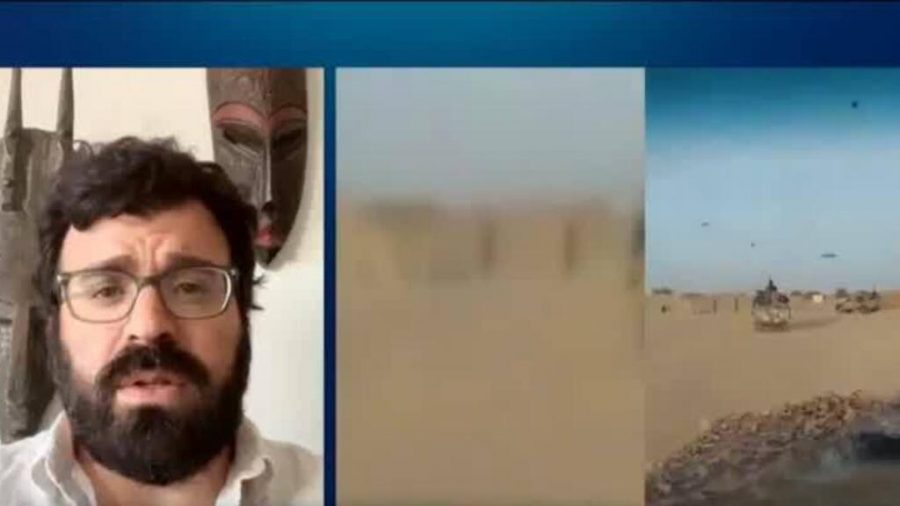
According to Andrew Lebovich, a research fellow at Clingendael’s Conflict Research Unit, the recent attacks appear to be designed as “diversions” rather than direct assaults on crucial strategic locations. While towns like Gao and Sévaré are significant, Lebovich emphasizes that the rebels may not be primarily focused on these areas, contrasting them with towns such as Anefis that hold greater strategic importance in the ongoing conflict.
The Broader Context of Conflict in Mali
The situation in northern Mali has been precarious since the rise of various rebel factions in recent years. The complex interplay of ethnic, political, and economic grievances has fueled a cycle of violence that has resulted in numerous civilian casualties and widespread displacement. The Malian government, supported by international allies, has struggled to maintain control over the region.
Rebel Tactics and Objectives
The recent attacks signify a potential shift in tactics among rebel groups, with Lebovich noting that the focus on diversionary tactics could indicate a strategic recalibration. By drawing the attention of the Malian army away from their primary objectives, the rebels may be attempting to create opportunities for greater advances in less fortified areas.
- Gao: A city that has historically been a flashpoint in the conflict.
- Sévaré: Another significant town that has faced increased violence.
- Anefis: A strategically crucial target for rebel forces.
The Implications for Civilians
As fighting intensifies in northern Mali, the implications for the civilian population are dire. Many residents are caught in the crossfire, leading to urgent humanitarian needs. Displacement is on the rise, with families fleeing their homes in search of safety. Aid organizations are struggling to provide support in an increasingly dangerous environment, further complicating the crisis.
Looking Ahead: The Path to Stability
The situation in northern Mali remains fluid, with the potential for further escalations as rebel forces regroup and reassess their strategies. Analysts like Lebovich stress the importance of understanding the motivations behind these attacks to inform both local and international responses. As the Malian government continues to grapple with internal and external pressures, the international community must remain vigilant and supportive of efforts to restore peace and stability.
In conclusion, the attacks in northern Mali are not merely isolated incidents; they reflect a broader trend of increased hostilities that could have lasting repercussions for the region. The interplay of diversionary tactics and strategic objectives showcases the complexity of the conflict, necessitating a comprehensive approach to address the underlying issues at play.