The Impact of the World Cup on South Africa
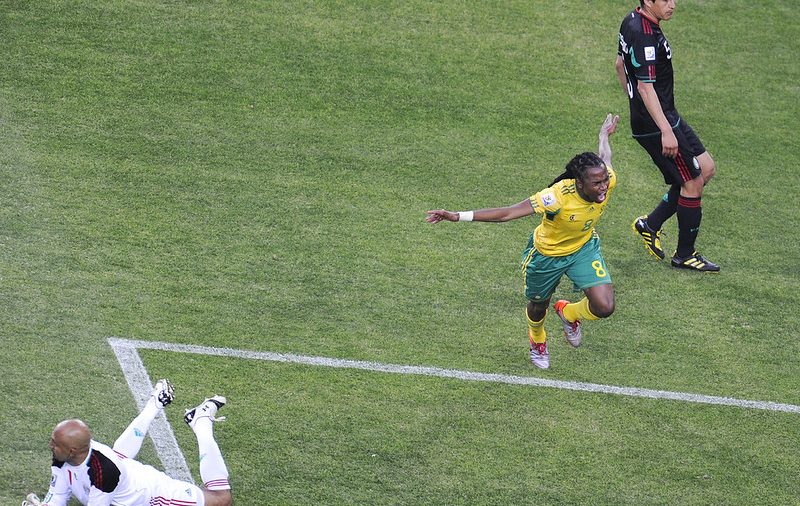
It has been sixteen years since the world tuned in to witness a historic moment for South Africa. British commentator Jim Beglin’s unforgettable shout—“Tshabalalaaa! Goal, Bafana Bafana! Goal for South Africa. Goal for all Africa. Jabulela, rejoice!”—still resonates with many fans. As South Africa prepares for yet another World Cup, this time in 2026, it’s essential to reflect on the changes that have taken place in our country, continent, and the global football community.
From Football to FIFA: Understanding the Shift
During the 2010 World Cup, many of us naively believed we were celebrating the spirit of football. However, the experience revealed a harsh truth: this was not merely a celebration of soccer, but rather the FIFA World Cup—a private enterprise prioritizing profit over public enjoyment and the true essence of the sport.
Ticket Prices and Accessibility: A Lesson Learned
As the world gears up for the 2026 World Cup, European fans are already expressing their discontent over soaring ticket prices. South Africans learned this lesson the hard way back in 2010. Many locals found themselves unable to afford tickets, and the process of acquiring them felt like an insurmountable challenge. The excitement of hosting the World Cup was overshadowed by the reality that the average citizen was largely excluded from experiencing the matches they so dearly wanted to watch.
A Government That Listened
In 2010, South Africa had a government that seemingly understood the importance of inclusivity. Public fan parks were established across the nation, allowing citizens to come together and enjoy the matches without the burden of cost. Even the often-criticized Emfuleni Local Municipality set up fan parks in Sebokeng and Sharpeville, ensuring that the less fortunate could partake in the festivities. These initiatives made it possible for many to celebrate their newfound freedom and democracy.
Shifting Trends: Commercialization of Fan Experiences
Fast forward to today, and the landscape has changed dramatically. Fan parks have transformed from community-driven spaces into commercial ventures. The essence of public enjoyment has been lost as we have allowed FIFA and other organizations to privatize football and, in many ways, our lives. Other sectors, such as education, healthcare, and housing, have similarly become more accessible through private means but at a cost that many cannot bear.
The Outsourcing of Politics
It’s time for us to confront a disquieting truth: we have effectively outsourced our politics and governance. Just as we once allowed FIFA to dominate the beautiful game, we have also permitted the privatization of essential services and public spaces. This trend raises critical questions about the role of government in our lives and the mechanisms through which we engage with our society.
A Call for Reflection
The nostalgia of the 2010 World Cup is bittersweet. While it represented a beacon of hope and unity for South Africa, it also foreshadowed a troubling trajectory. As we look ahead to the 2026 World Cup with anticipation, we must also critically examine the lessons of our past. Have we truly learned from our experiences, or are we destined to repeat them?
The Power of Music and Unity
One of the defining songs of the 2010 World Cup was K’naan’s “Wavin’ Flag,” which Coca-Cola used as its theme. This song became an anthem of hope and celebration, yet it also serves as a reminder of what we must strive to regain. As we prepare for another World Cup, let’s ensure that the joy of sport is accessible to all, not just a privileged few.