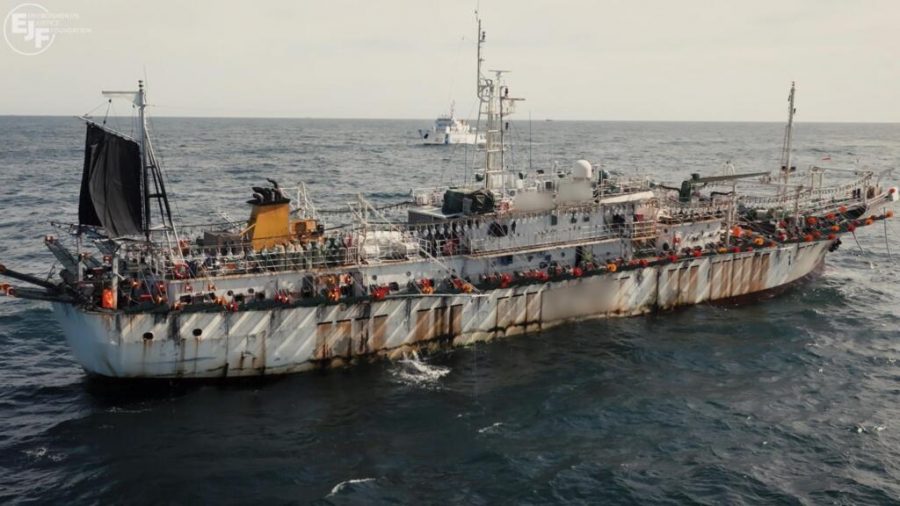
Shocking Findings on World Oceans Day
June 8 marks World Oceans Day, a global event celebrated annually to shine a light on the pressing issues facing our oceans. This year, a damning investigation by the non-profit Environmental Justice Foundation has unveiled a disturbing reality: the squid fishing industry is rife with illegal practices and human rights violations.
Illegal Fishing: A Global Epidemic
The investigation highlights that illegal fishing is not just a localized issue; it poses a significant threat to marine ecosystems worldwide. Squid, a popular delicacy in various cuisines, has seen a surge in demand, leading to unsustainable fishing practices that devastate marine life and disrupt the delicate balance of ocean habitats.
Environmental Impact
Illegal fishing activities contribute to overfishing, which results in decreased fish populations and the destruction of marine habitats. The Environmental Justice Foundation’s report reveals alarming statistics:
- Approximately 30% of global fish stocks are overfished.
- Illegal fishing accounts for up to 20% of the total catch in some regions.
- Bycatch, which includes non-target species caught unintentionally, exacerbates the decline of marine biodiversity.
Human Rights Abuses in the Industry
Equally troubling are the human rights abuses linked to squid fishing. Workers are often subjected to forced labor, unsafe working conditions, and severe exploitation. Many workers are lured by the promise of legitimate employment, only to find themselves trapped in a cycle of abuse.
Conditions Faced by Workers
The investigation details the harrowing experiences of those working in the squid industry:
- Workers reported being forced to work long hours without breaks, often exceeding 16 hours a day.
- Many experienced physical abuse and threats from employers.
- Due to the lack of proper documentation, workers found themselves unable to escape their dire situations.
The Role of Governments and Corporations
Governments and corporations play a crucial role in either combating or perpetuating these issues. The report calls for stringent regulations and accountability measures within the squid industry to ensure sustainable fishing practices and the protection of workers’ rights.
What Can Be Done?
To address these pressing issues, the Environmental Justice Foundation has outlined several key recommendations:
- Strengthening Legislation: Governments must enact and enforce laws that protect marine ecosystems and human rights.
- Promoting Transparency: Corporations should commit to supply chain transparency, ensuring that their products are sourced ethically.
- Supporting Sustainable Practices: Consumers can make a difference by choosing sustainably sourced seafood, thereby reducing the demand for illegal fishing.
Global Call to Action
As we commemorate World Oceans Day, it is imperative to reflect on the impact of our choices on the environment and the lives of those who work within the fishing industry. The findings from the Environmental Justice Foundation serve as a clarion call for action, urging individuals, corporations, and governments to work together in safeguarding our oceans and protecting human rights.
The future of our oceans and the welfare of countless workers depend on immediate and concerted efforts to eradicate illegal fishing and forced labor from the squid industry.