Nigel Farage’s Brexit Campaign: A Controversial Use of EU Funds
Recent investigations have unveiled a shocking revelation: the anti-EU rallies led by Nigel Farage were partially funded by the very European Union budget he vehemently opposed. The findings raise significant questions about the ethical implications of using EU resources for campaigns aimed at dismantling the union itself.
The ‘Say No to EU’ Tour: An Overview
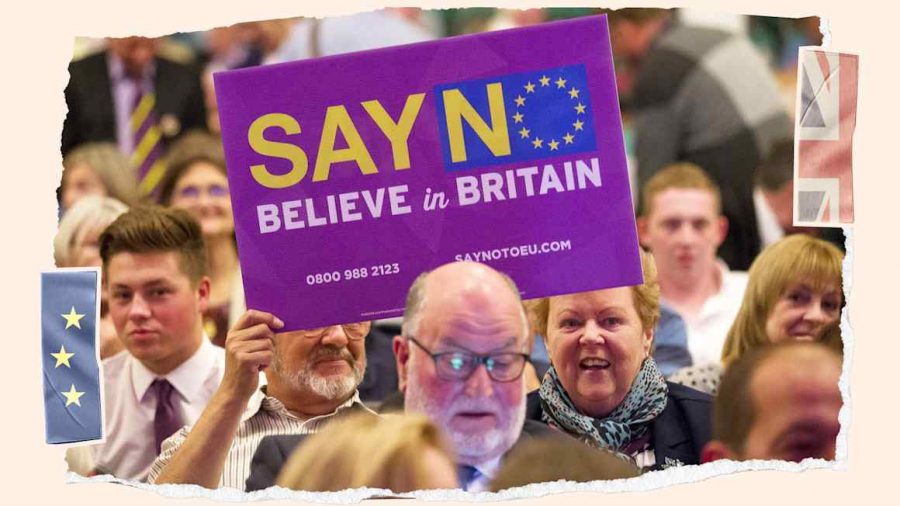
During the height of the Brexit campaign, Farage embarked on a nationwide tour dubbed the ‘Say No to EU’ tour. This high-profile initiative was designed to rally support against EU membership, utilizing various means to communicate a strong anti-immigration message. However, it has now come to light that some of the materials used during these events—including controversial anti-immigrant posters—were financed by EU funds.
How EU Funds Were Allocated
The funding in question is part of a broader budget allocated for European Parliament members to support their political activities. This budget has been subject to strict regulations, yet the use of these funds for anti-EU campaigning raises eyebrows. The money was reportedly directed towards the production of materials that aimed to sway public opinion against the very institution that provided it.
Ethical Concerns and Reactions
The revelation has sparked outrage among political analysts and supporters of the EU. Critics argue that Farage’s actions exemplify a profound hypocrisy, using taxpayer resources from the EU to promote a narrative that seeks to undermine the EU’s existence. “It’s a scandal of monumental proportions,” stated a prominent political commentator. “How can one advocate for leaving the EU while simultaneously benefiting from its financial support?”
The Impact on Brexit Supporters
This disclosure could have far-reaching implications for Brexit supporters. Many may question the integrity of the campaign, leading to a potential loss of faith among voters who supported Farage’s message. The fallout could also prompt calls for increased scrutiny into how EU funds are used by Member States and their representatives.
Public Reactions and Future Implications
As public sentiment begins to shift in light of these revelations, the future of Brexit campaigning could be at stake. Social media platforms have erupted with discussions, with many users expressing their disbelief and anger over the misuse of funds. Some have even called for a formal investigation into the financial practices of political campaigns in the UK.
The Broader Picture: EU Funding and Political Campaigns
This incident also raises broader questions about the ethics of political financing within the EU framework. With political campaigns increasingly reliant on funding from various sources, the lines between ethical and unethical practices can become blurred. As the debate continues, it is crucial for regulators to establish clearer guidelines to prevent such controversies in the future.
Conclusion
As Nigel Farage’s legacy continues to be scrutinized, the implications of this funding scandal will likely resonate within political circles for years to come. Voters are becoming increasingly aware of the complexities behind political financing, and the need for transparency in campaign funding has never been more critical.